Key Figures of Buddhism
The People Who Carried the Dharma Through History
Buddhism was shaped not by one life alone, but by generations of teachers, disciples, philosophers, translators, rulers, reformers and practitioners. Across more than two thousand years, they preserved teachings, debated their meaning, carried them across continents and reimagined how the Dharma could be understood.
Meet the people whose lives became part of the history of Buddhism.
Explore by era, tradition or region, or select a figure to discover their story.
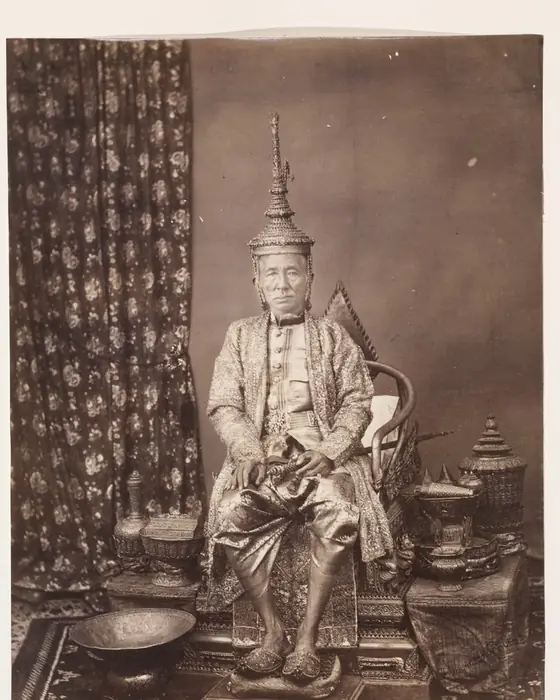
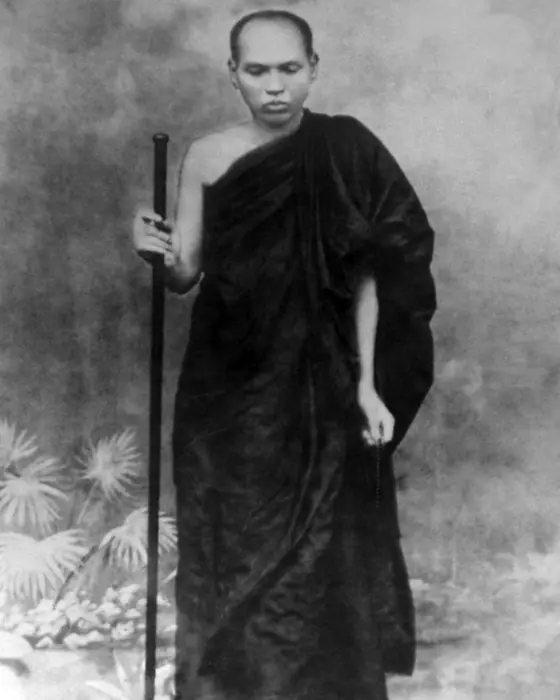
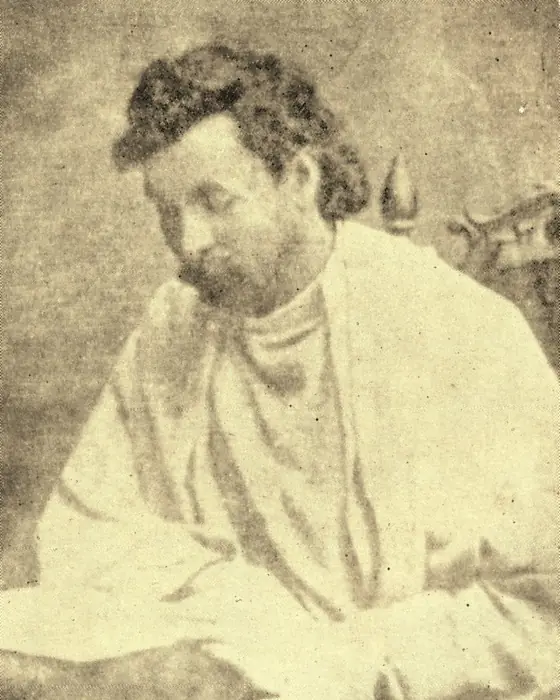
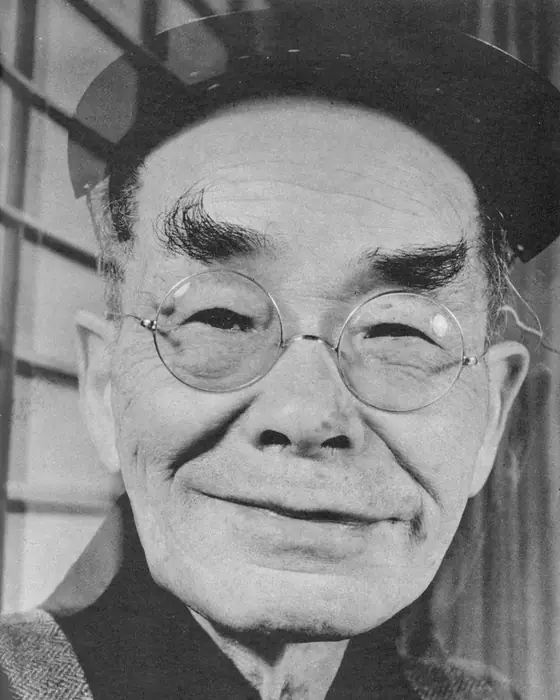
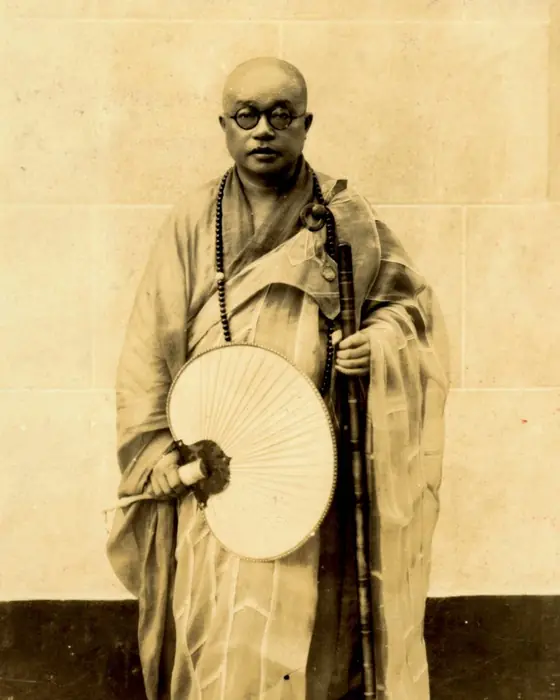
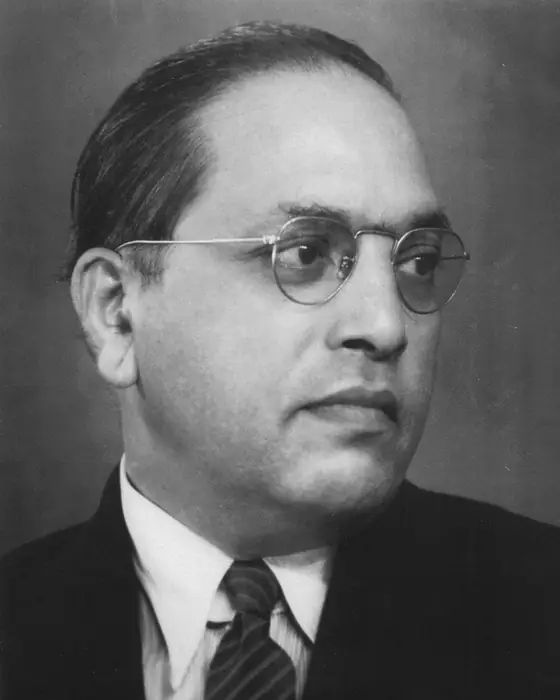
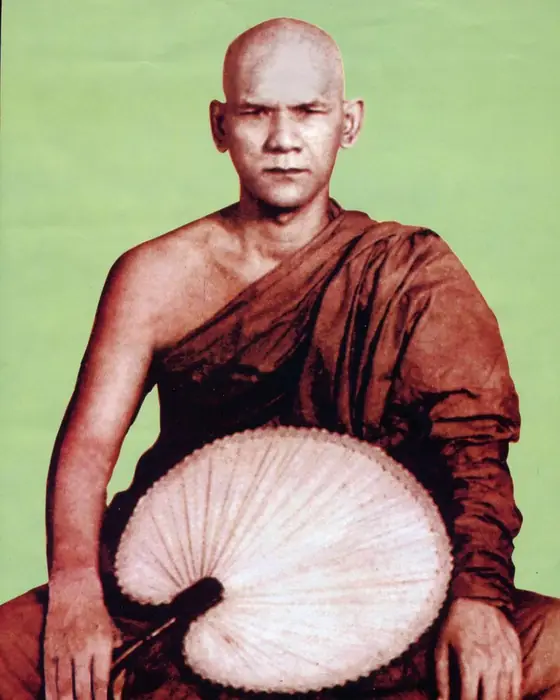
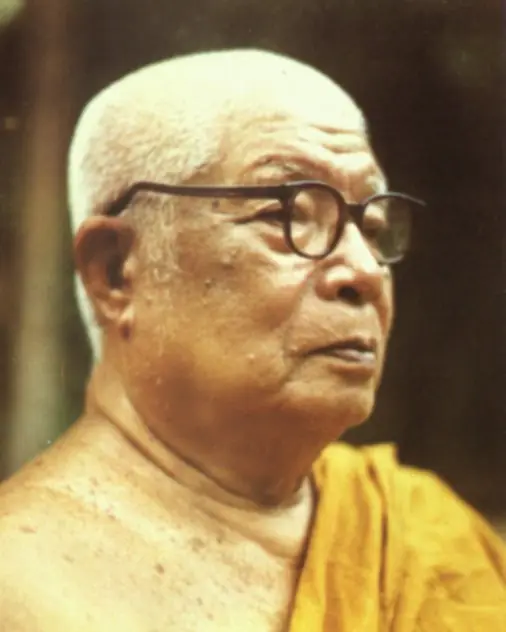
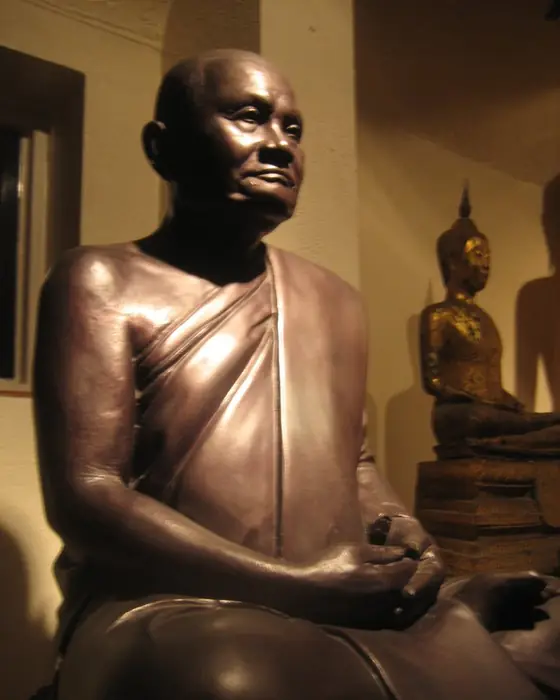
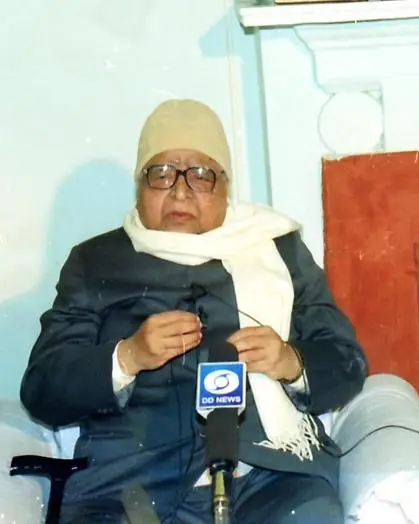
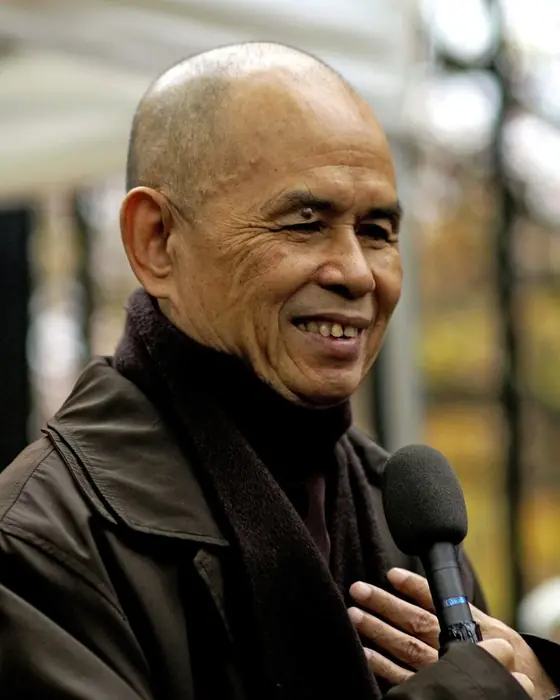
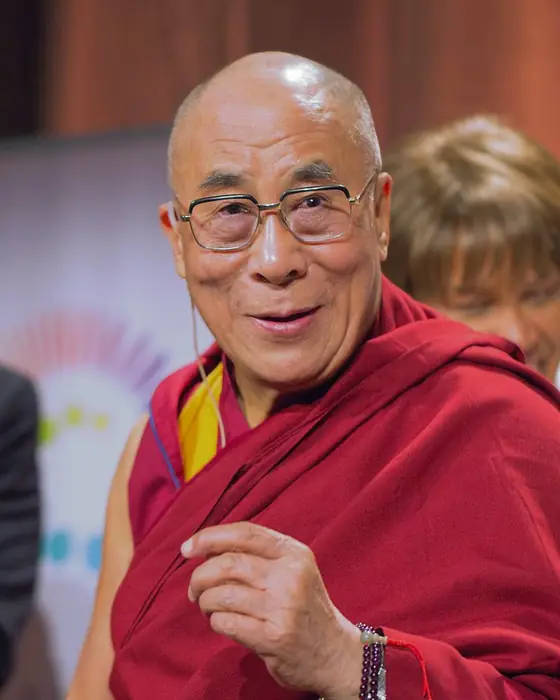
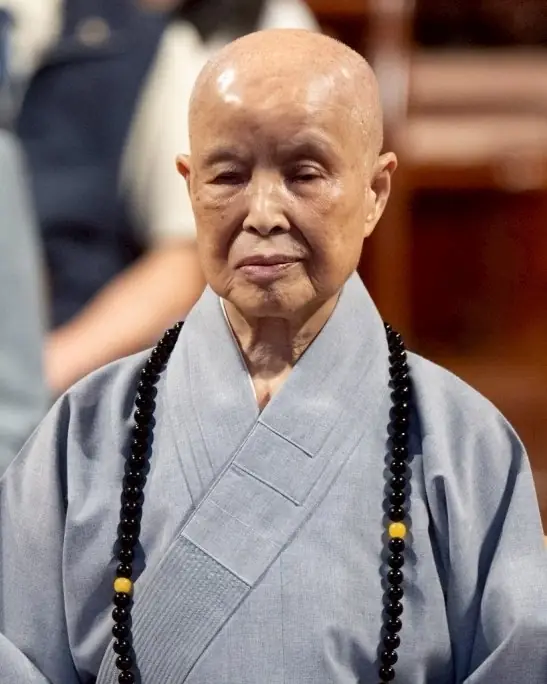
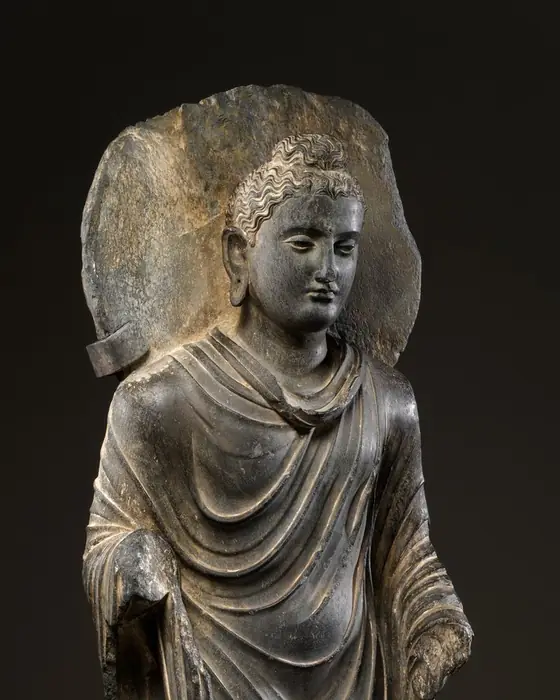
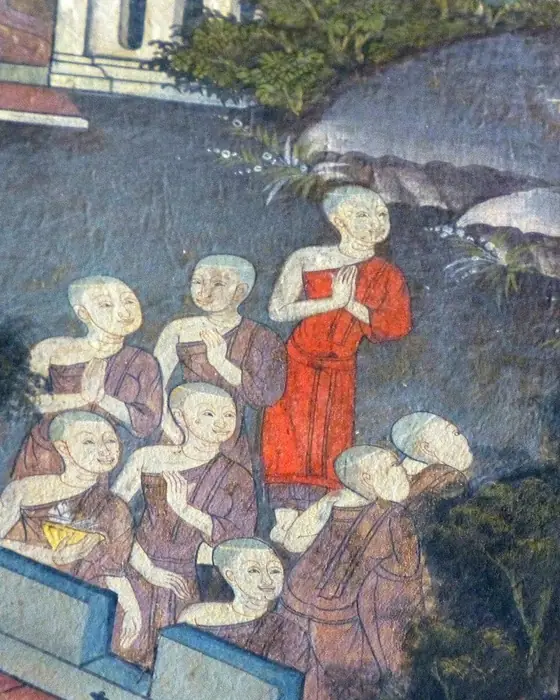
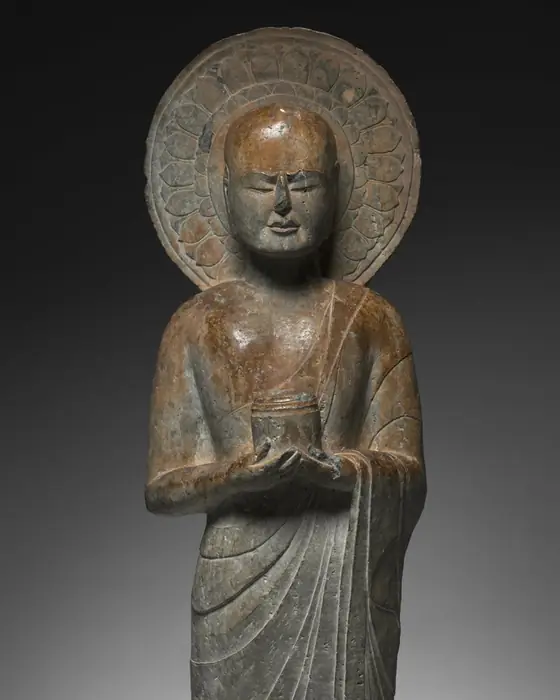
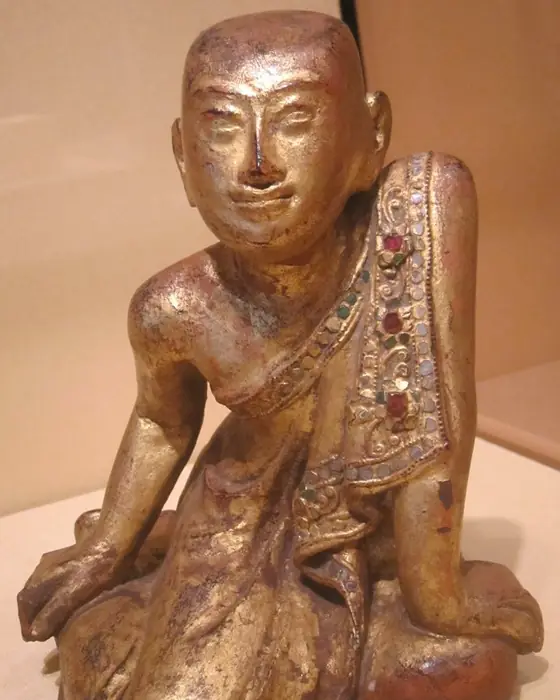
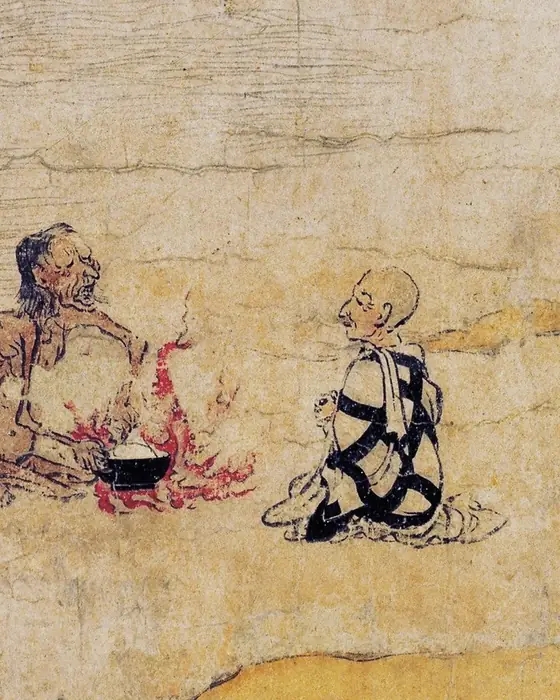
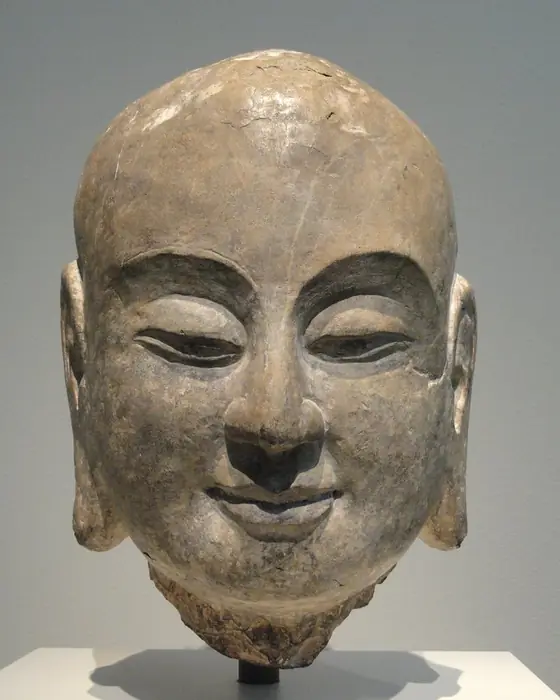
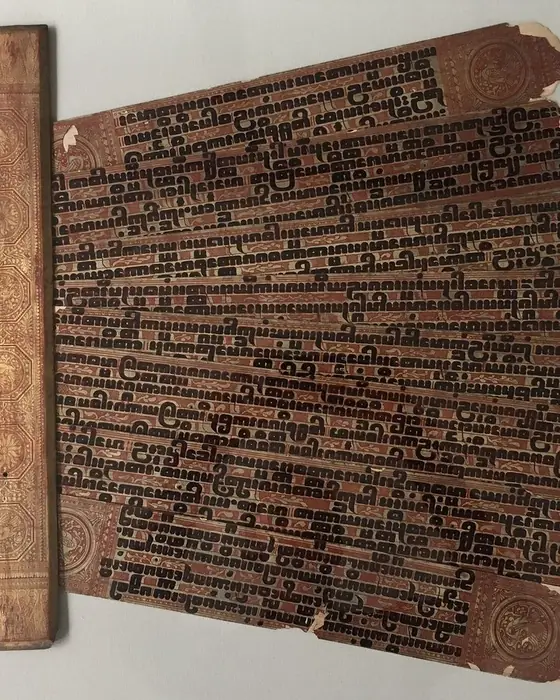
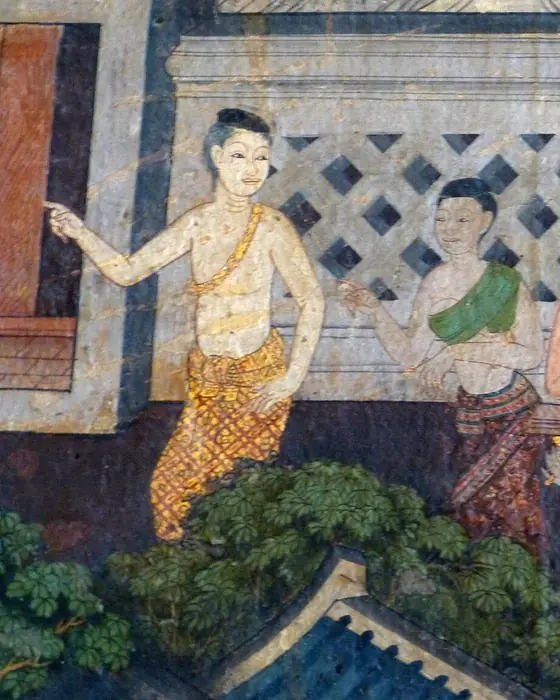
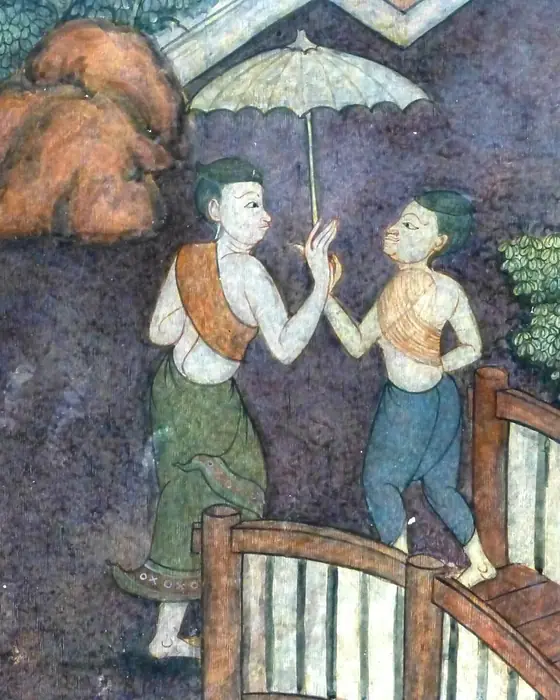
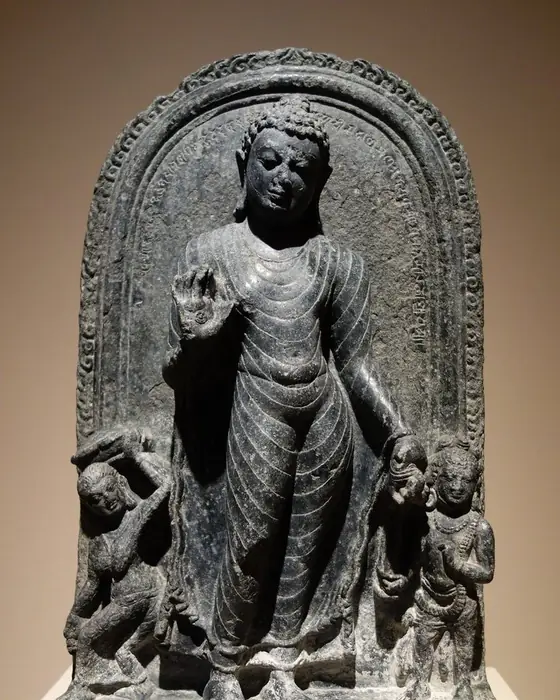
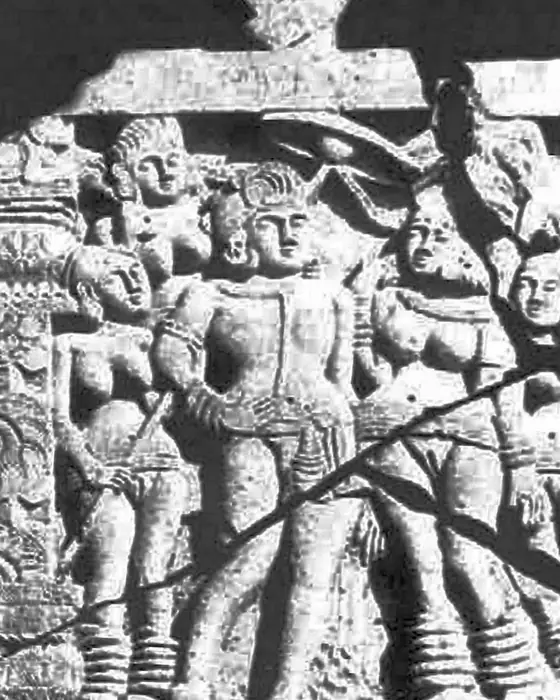
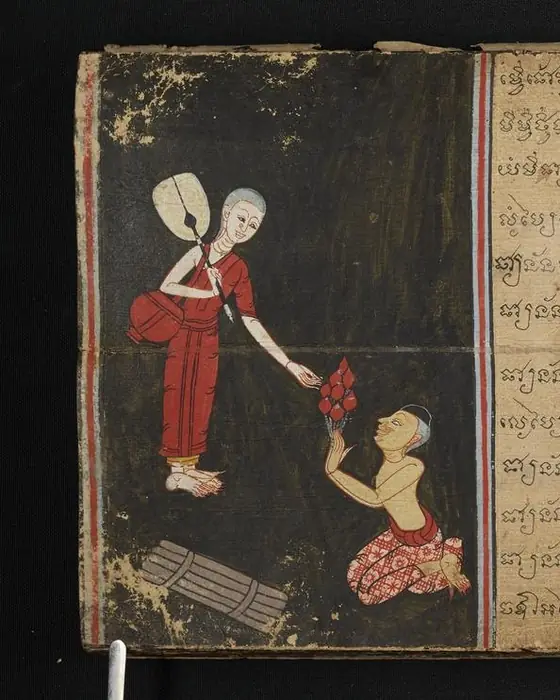
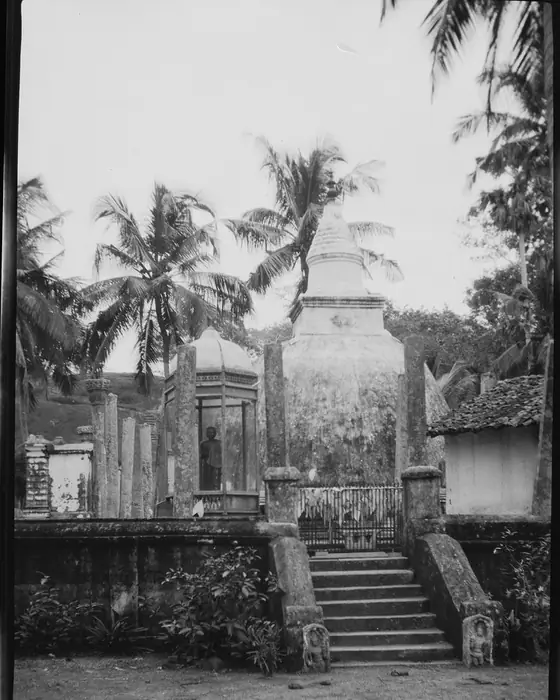
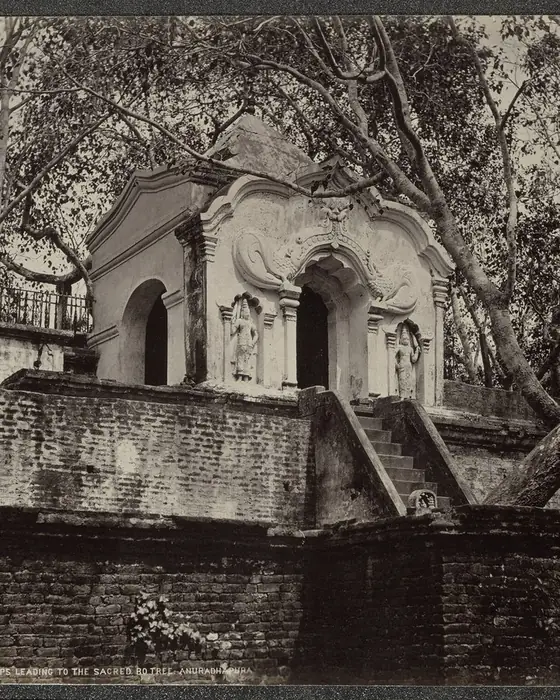
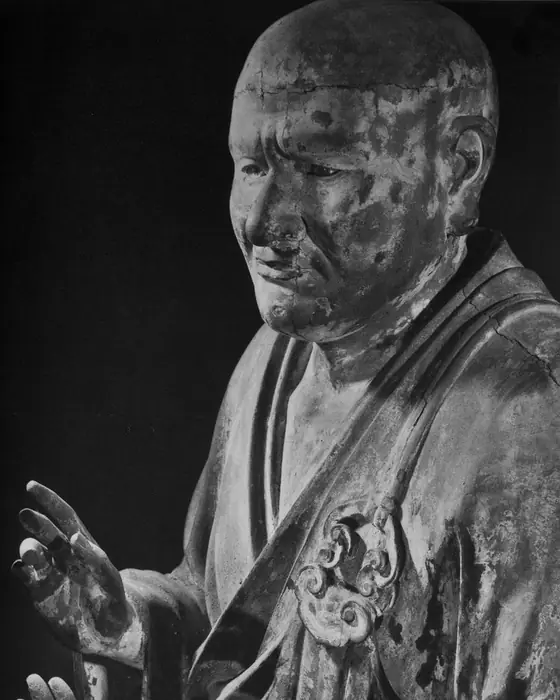
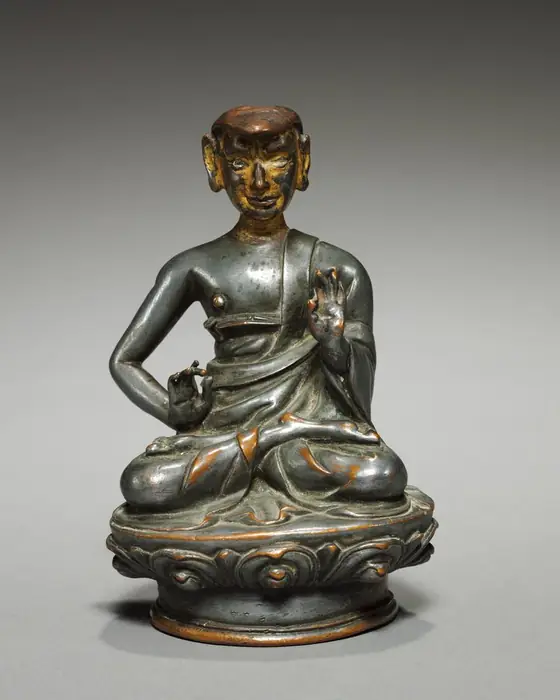
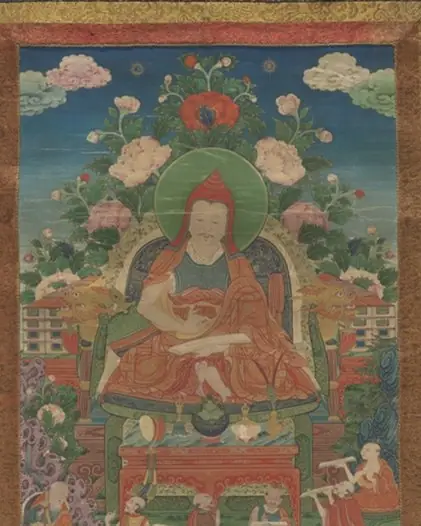
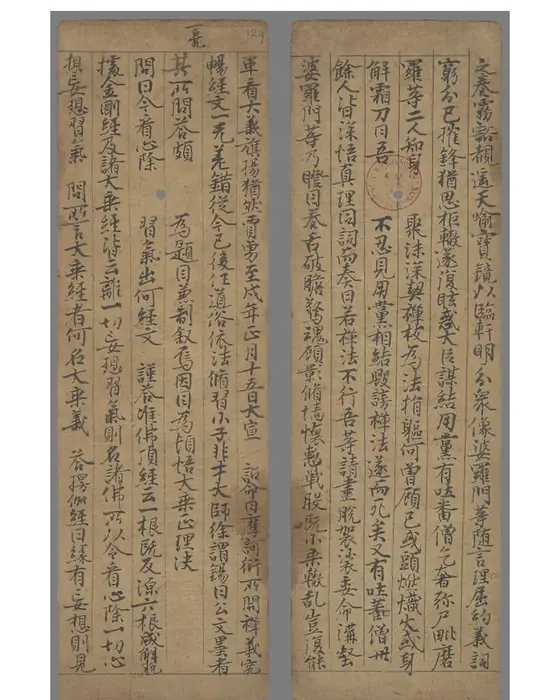
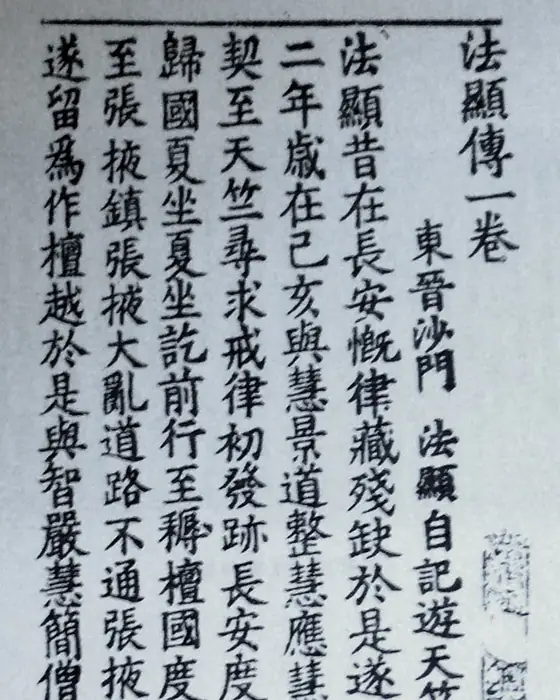
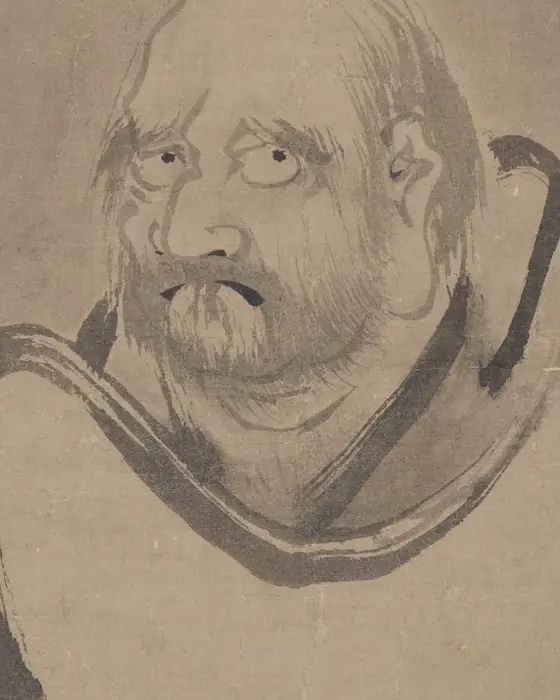
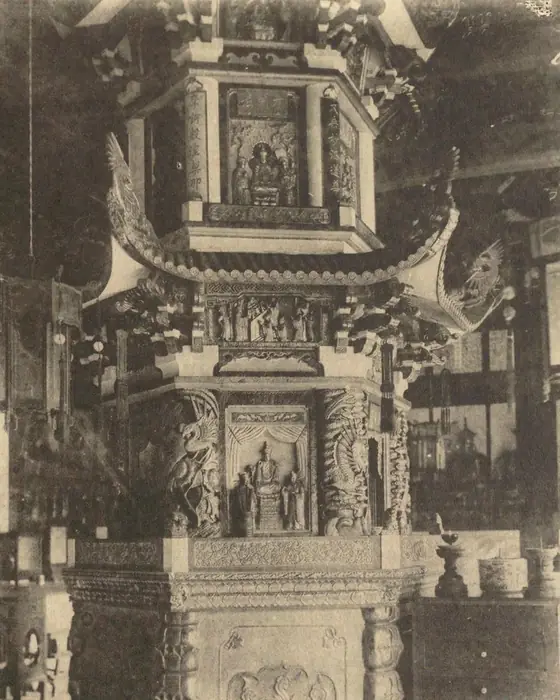
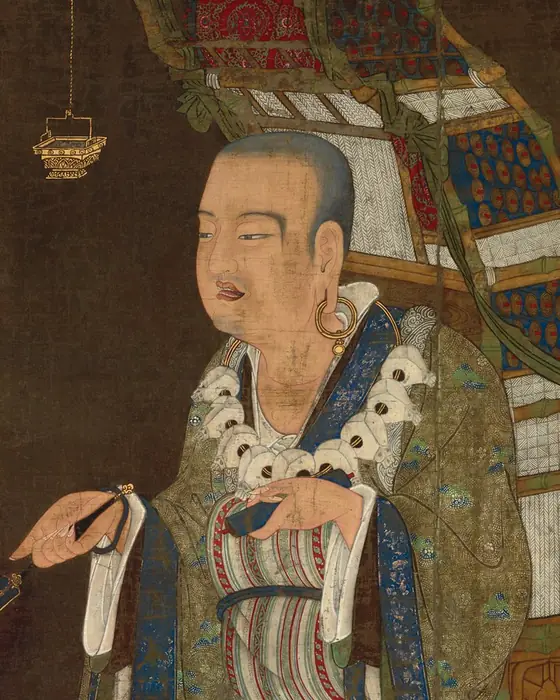
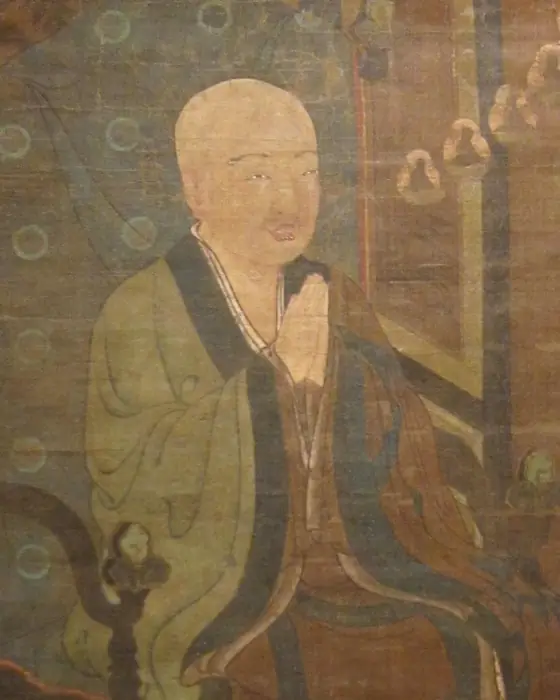
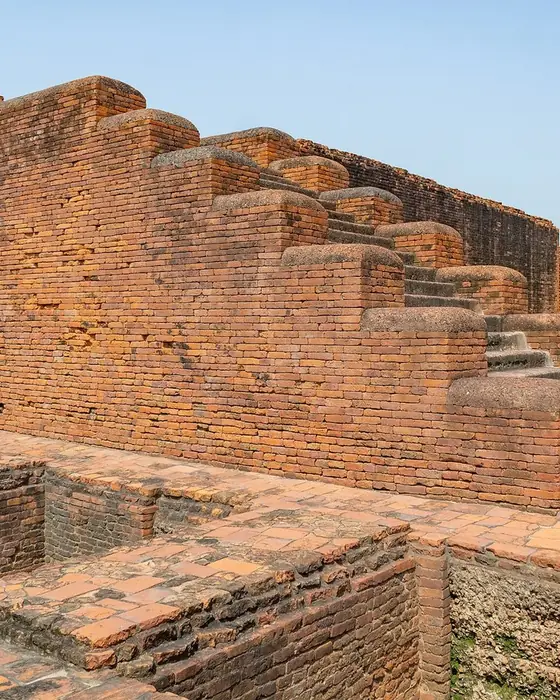
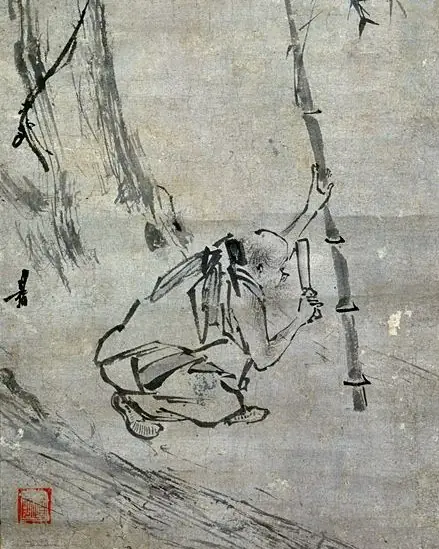
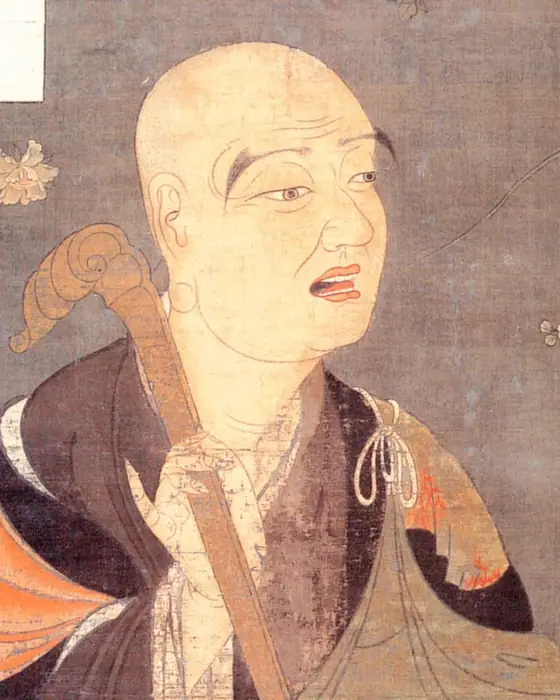
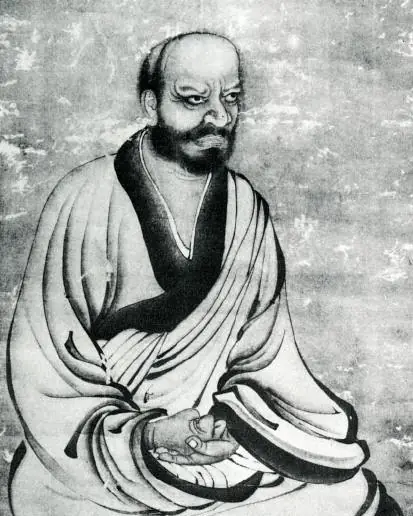
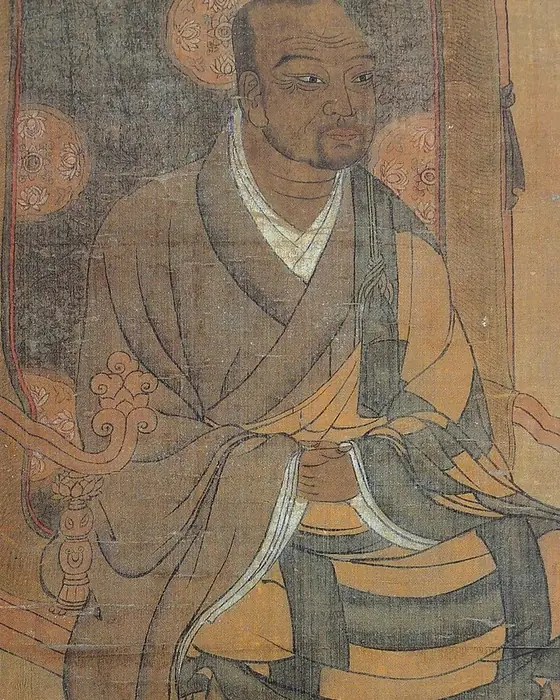
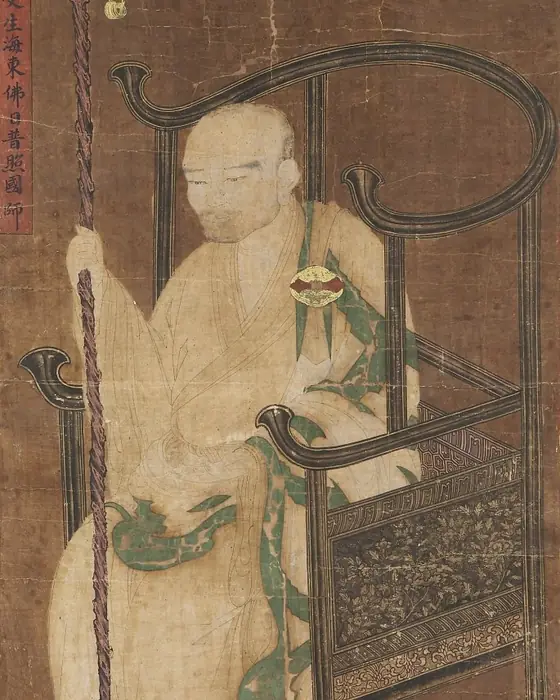
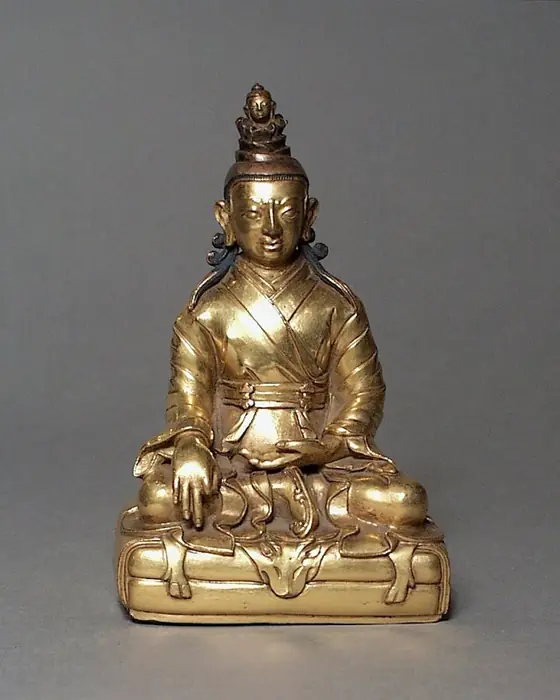
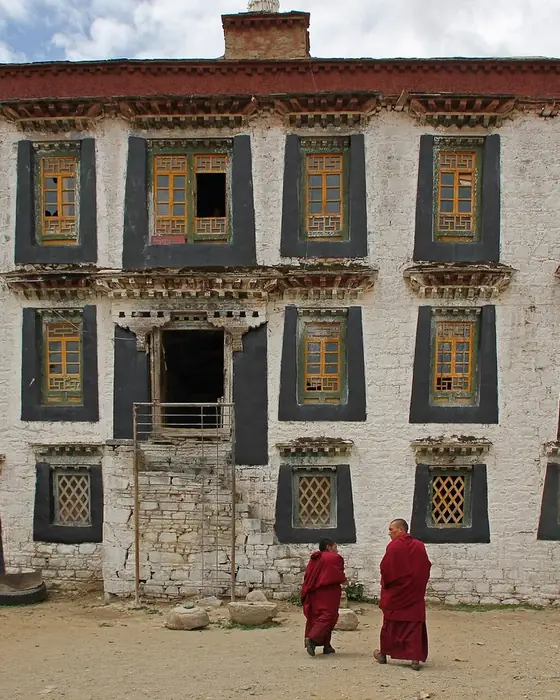
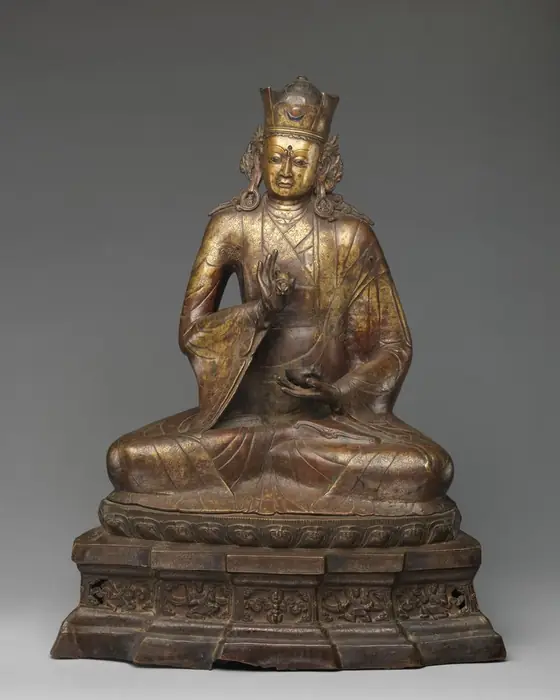
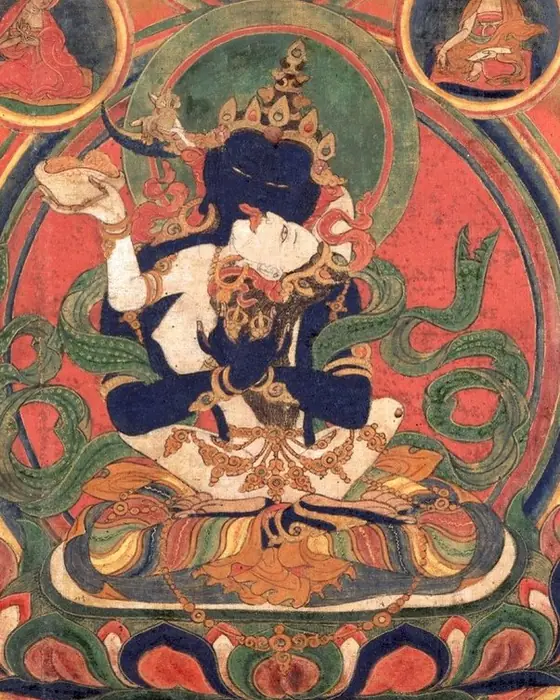
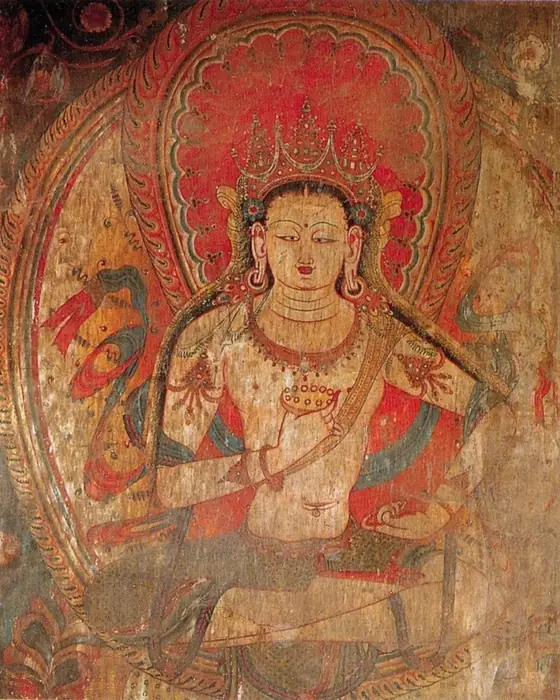
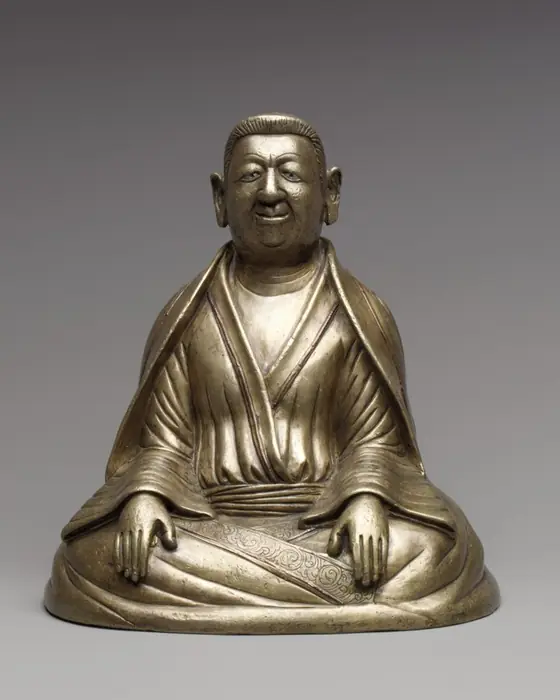
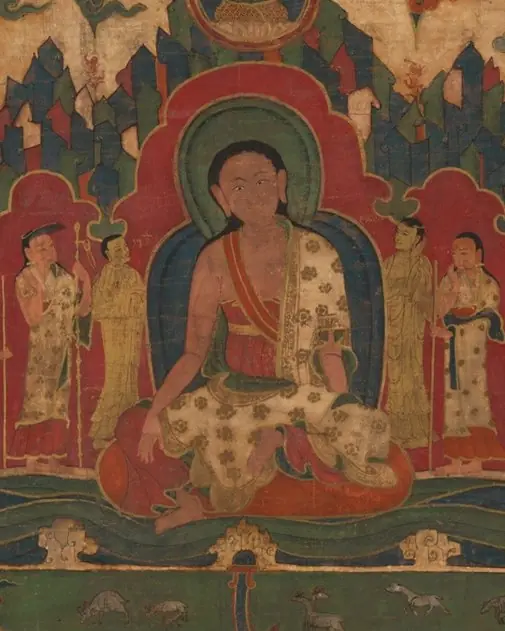
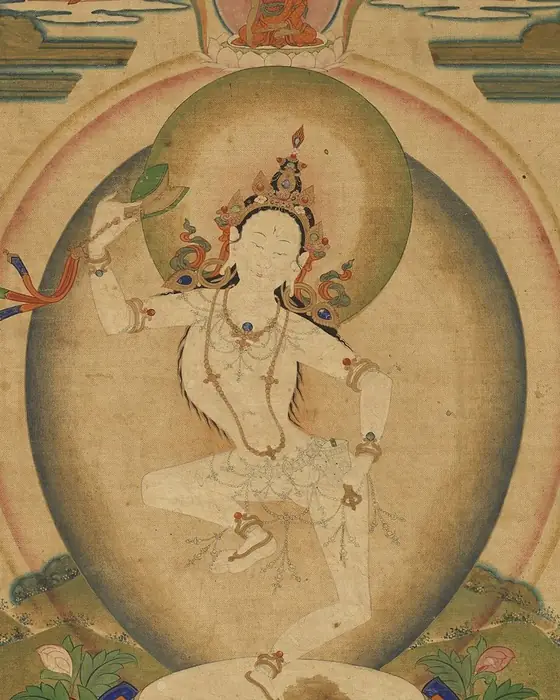
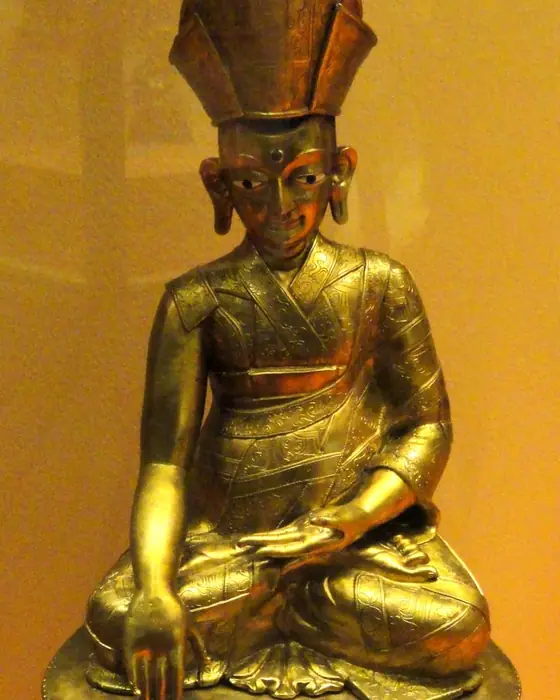
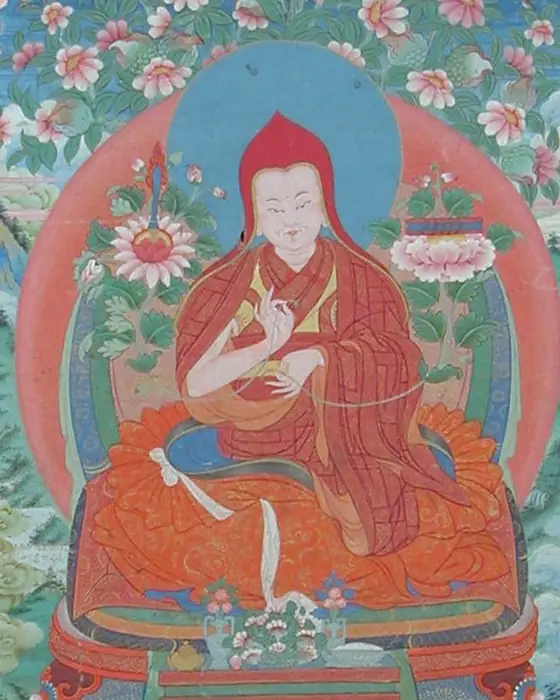
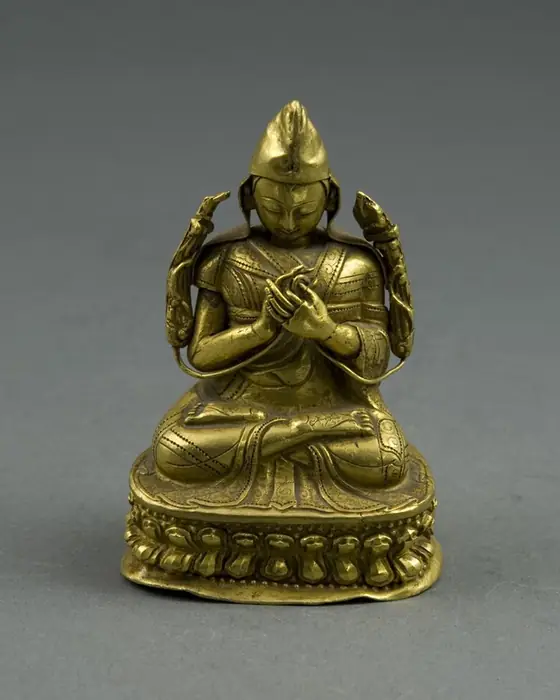
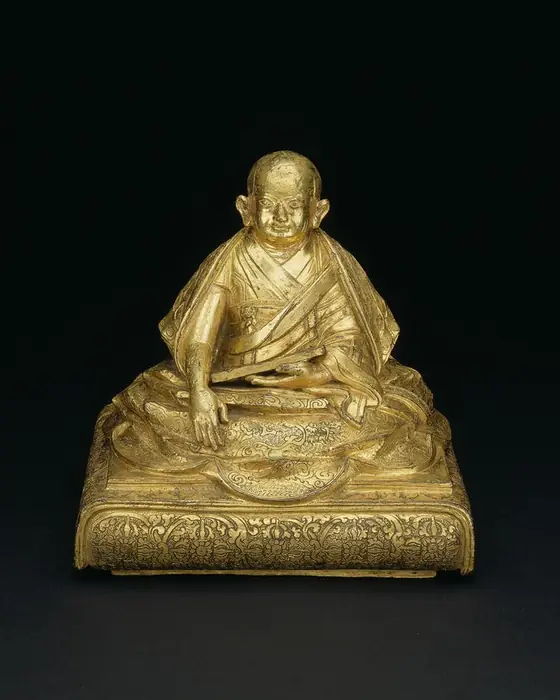
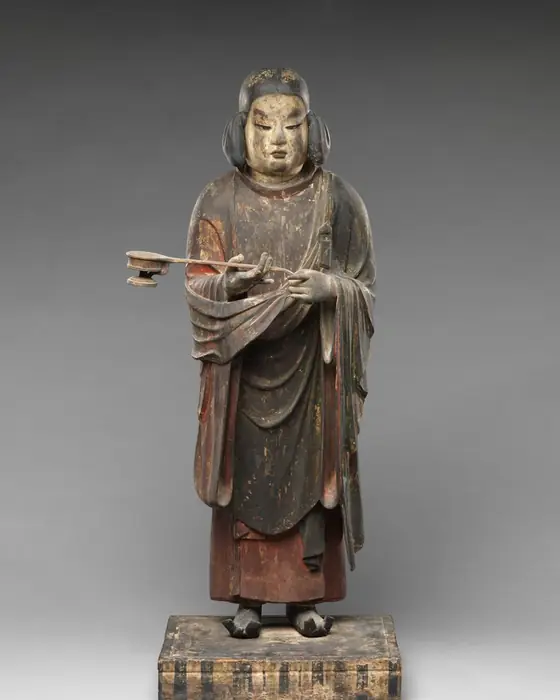
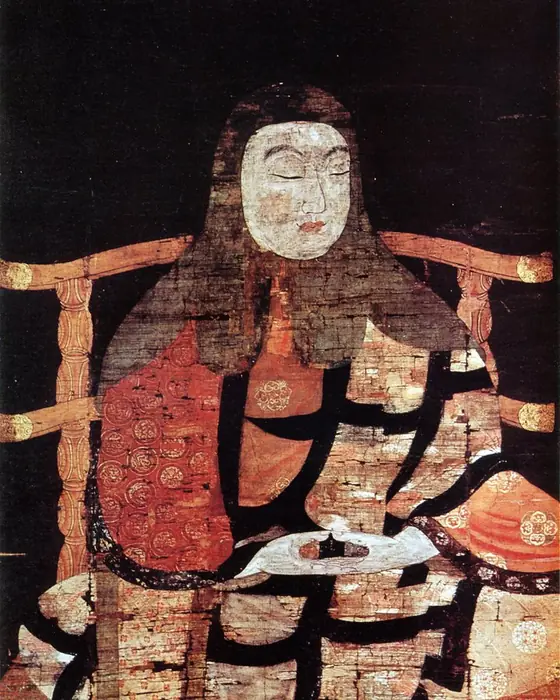
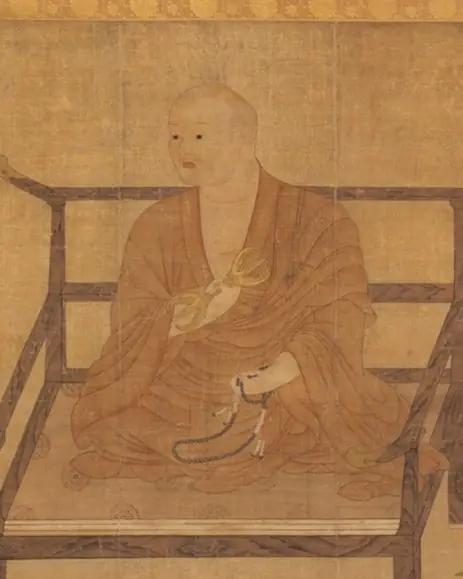
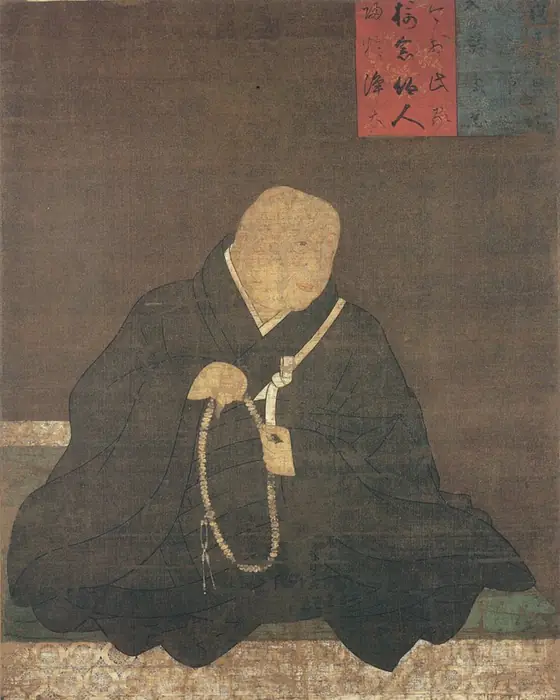
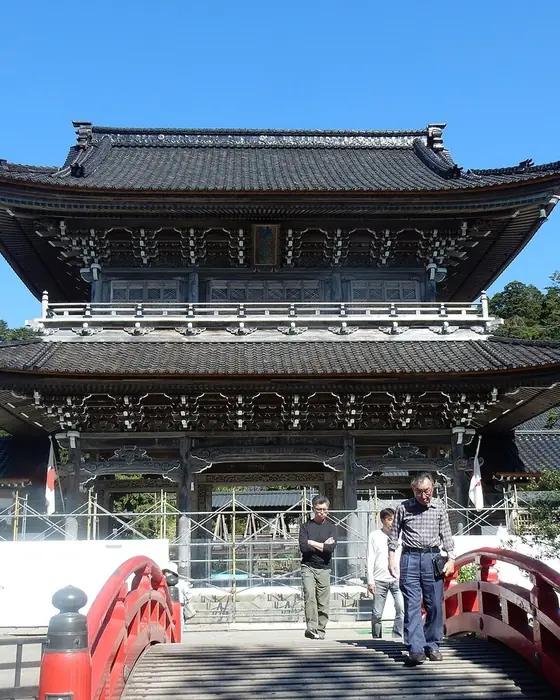
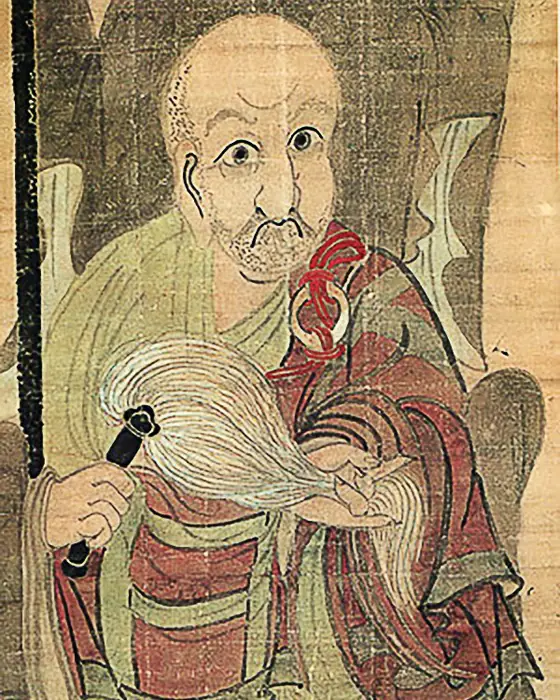
No one knows what most of these people looked like. The images are real historical objects: photographs where photography existed, and otherwise sculptures, paintings, manuscripts and places associated with each person, often made long after their lifetime. Each is labelled for what it is.
c. 5th century BCE
The Buddha's World
The first generation. The teaching was carried by the men and women who heard it: disciples remembered for wisdom, discipline, devotion and change of heart. Almost everything known about them comes from Buddhist texts compiled and written down generations later.
c. 3rd century BCE
The Age of Ashoka
An empire and a missionary age. For the first time a ruler's own inscriptions speak of the Dharma, and Buddhist chronicles tell of monks and nuns carrying the teaching to Sri Lanka. Where the chronicles and the inscriptions differ, both are shown.
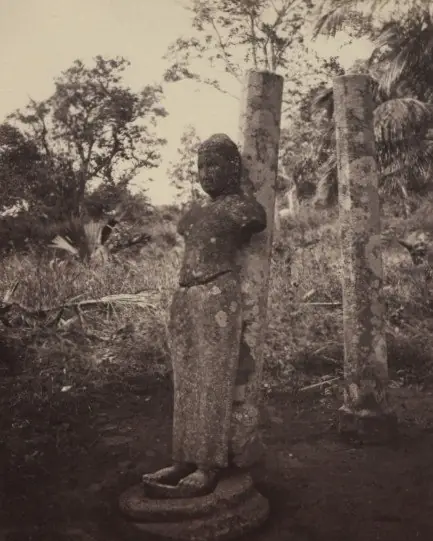
c. 2nd–11th centuries CE
Great Indian Buddhist Thinkers
In India's great monasteries, philosophers asked what the teachings meant: what is real, how anything can be known, how compassion is trained. Their answers became the foundations of Buddhist thought in Tibet and East Asia.
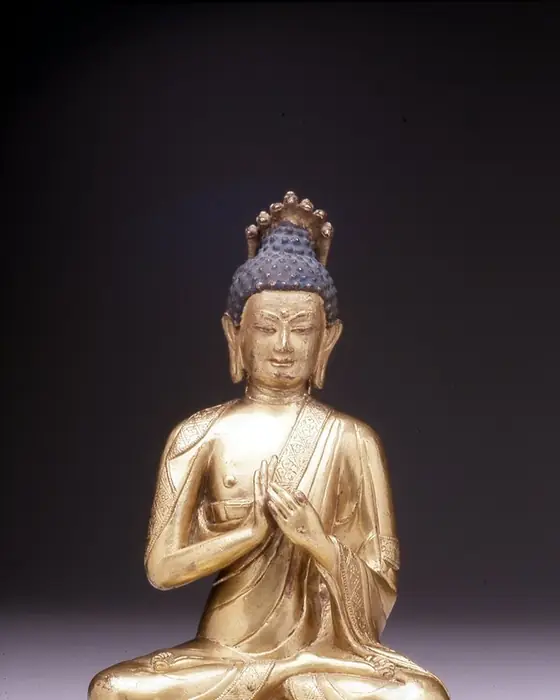
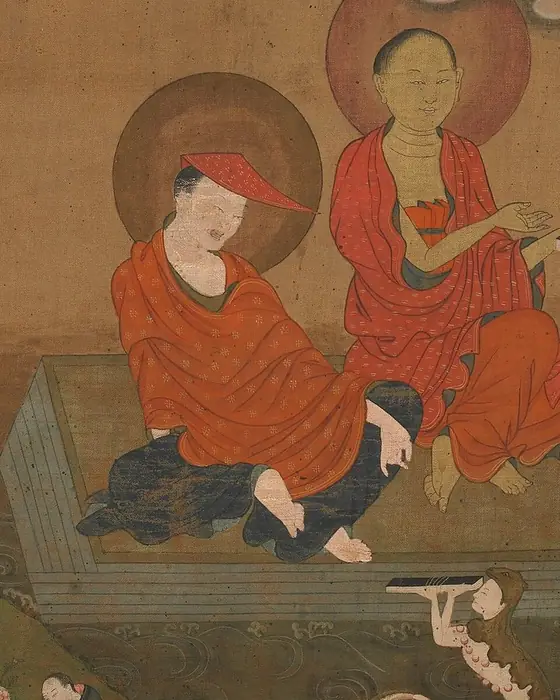
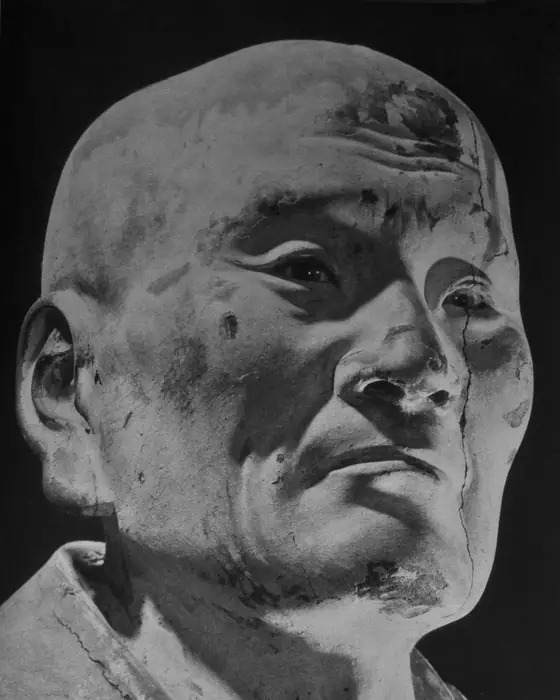
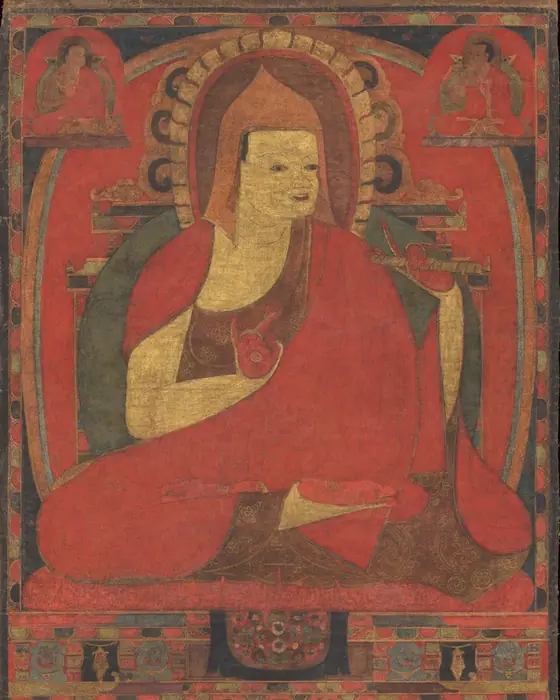
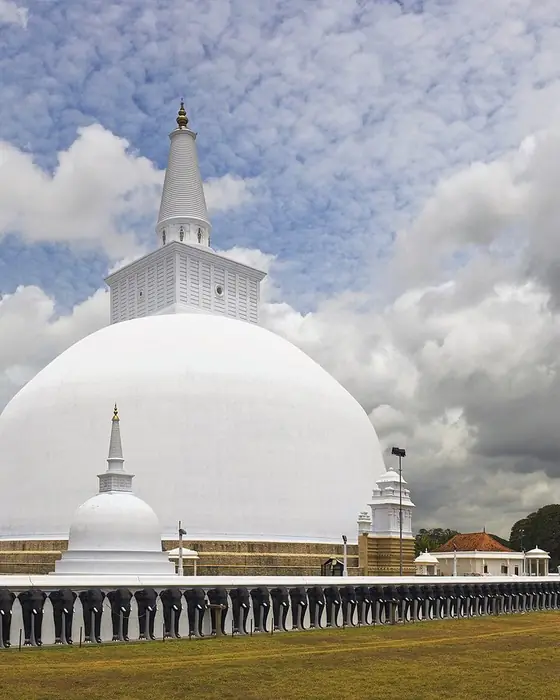
c. 5th–18th centuries CE
Theravāda Scholars & Teachers
In Sri Lanka the Pāli teachings were explained, arranged and preserved in great commentaries, and centuries later a monastic revival renewed them. This work shaped Theravāda Buddhism across South and Southeast Asia.
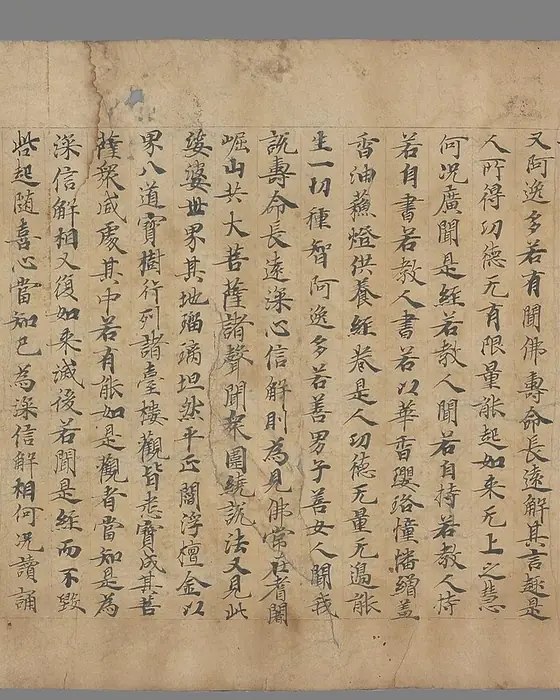
c. 2nd–9th centuries CE
Buddhism Travels to China
Translators, pilgrims and teachers made an Indian religion Chinese. They rendered the sūtras into Chinese, walked to India in search of texts, and founded schools, among them Tiantai, Huayan, Pure Land and Chan, with no exact Indian equivalent.
c. 7th–13th centuries CE
Korean Buddhist Traditions
Korean monks received Buddhism through China and made it their own, reconciling rival schools and joining meditation with study. These three shaped Korean Buddhism for the next thousand years.
c. 7th–17th centuries CE
Tibet & the Himalayan World
Buddhism reached Tibet through kings, Indian masters and Tibetan translators, in two great waves of transmission. From them grew the Nyingma, Kagyu, Sakya and Gelug traditions, and some of Buddhism's most vivid life stories.
c. 6th–18th centuries CE
Japanese Buddhist Traditions
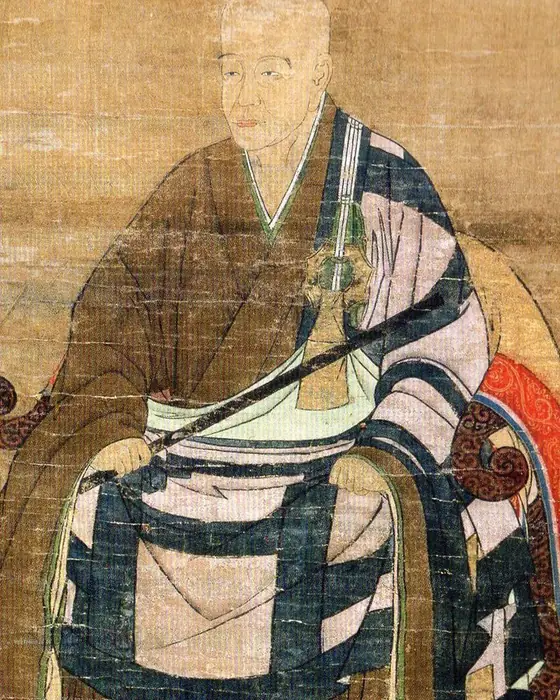
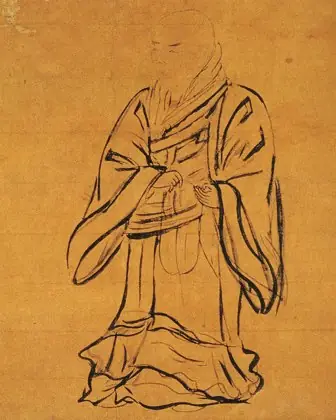
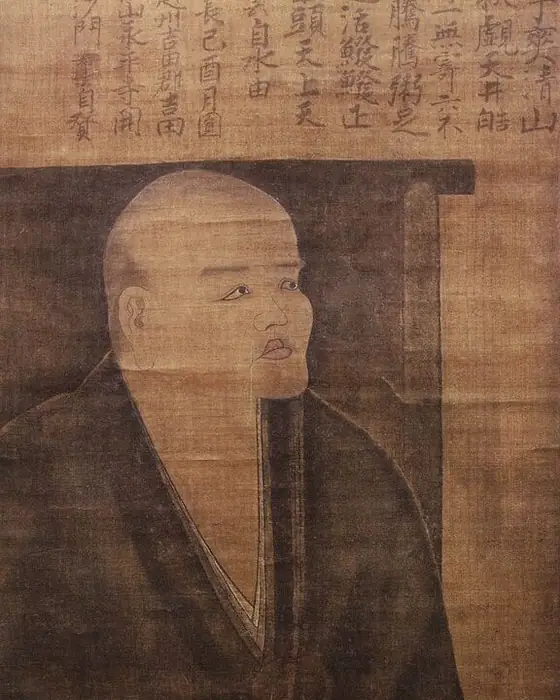
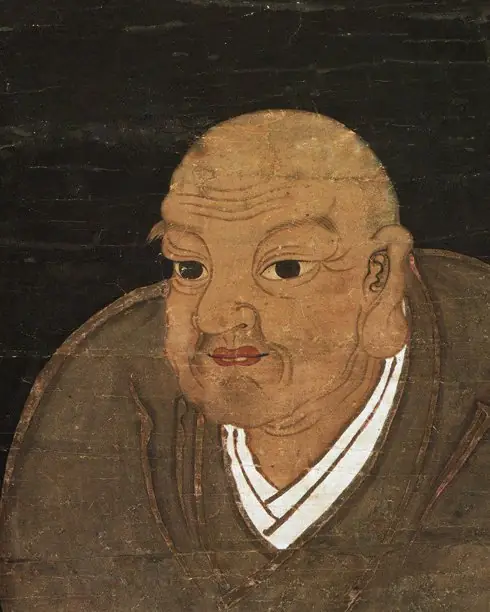
From a royal patron to the founders of Tendai and Shingon, from the medieval reformers of Pure Land, Zen and Nichiren Buddhism to an 18th-century Zen revival, Japanese teachers reshaped the tradition for new audiences.
19th century to today
Buddhism and the Modern World
Colonial rule, printing, new nations and new migrations changed Buddhism again. Reformers renewed monastic life, lay people took up meditation in great numbers, and teachers carried Buddhism across the globe. For living figures, only public facts are given.