Their story
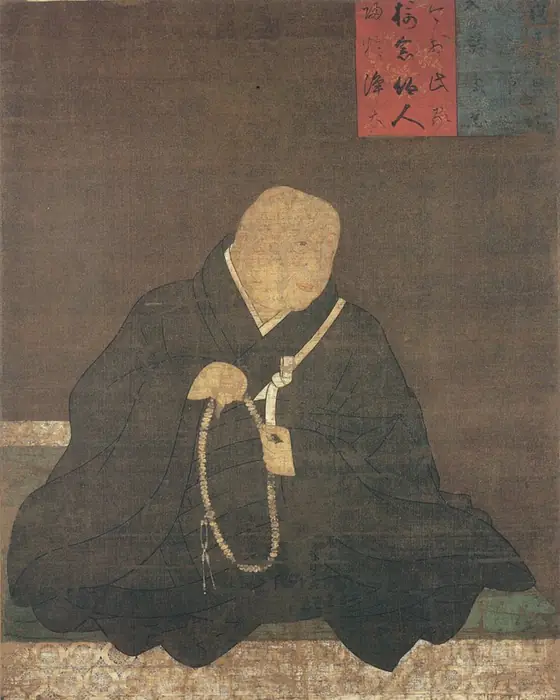
Shandao was born in 613 and became a monk young. Around 641 he went to study with the Pure Land master Daochuo at the Xuanzhong temple in Shanxi, then moved to the capital, Chang'an, where he taught for the rest of his life.
He wrote a commentary on the Contemplation Sūtra that re-read it for ordinary people rather than meditation experts. The central practice, he argued, is to call on the name of Amitābha Buddha with faith, which Amitābha's vows guarantee will lead even the worst of beings to rebirth in his Pure Land.
He is remembered as a tireless teacher who copied the Amitābha Sūtra many thousands of times and made paintings of the Pure Land for the people. He died in 681.
The world they lived in
In the early Tang, many Buddhists believed they were living in the age of the decline of the Dharma, when few could reach awakening by their own effort. Devotion to Amitābha offered a path open to all.
Their contribution
He made the spoken recitation of Amitābha's name the heart of Pure Land practice and gave it a thorough doctrinal defence.
Teachings and works
Guan wuliangshou jing shu (Commentary on the Contemplation Sūtra)
His major work.
Liturgical works for Pure Land practice
Related teachings
Their legacy
In Japan, Hōnen read Shandao's commentary and resolved to rely on the nembutsu alone, founding Jōdo-shū. Japanese Pure Land schools honour Shandao as a patriarch.
History and tradition
What history can establish
His life is recorded in Tang sources, and his writings survive. An inscription at the Longmen caves names a monk Shandao among those who supervised the carving of the great Buddha of the Fengxian cave in the 670s; he is usually identified with the Pure Land master.
What Buddhist tradition remembers
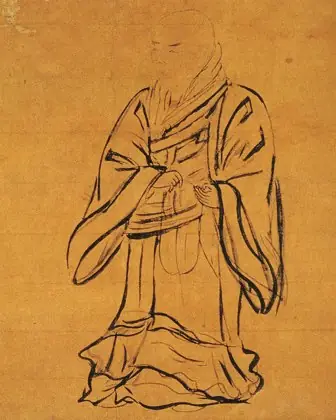
Japanese tradition holds that Shandao appeared to Hōnen in a dream, half golden, to confirm his teaching.