Their story
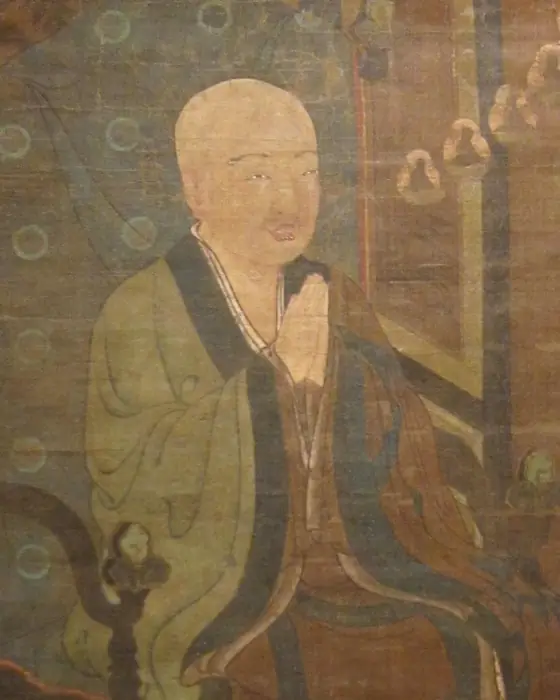
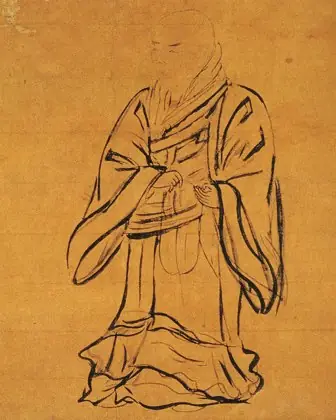
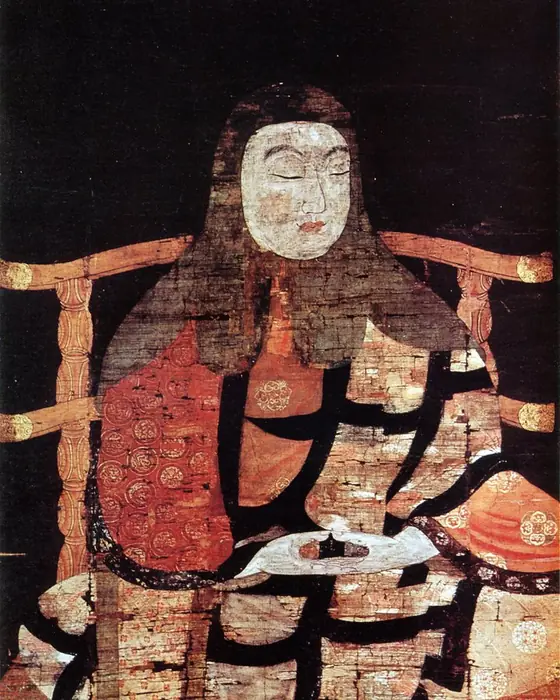
Hōnen was born in 1133, the son of a provincial official. Tradition says his father was killed by a rival and, dying, told the boy not to seek revenge but to become a monk. He trained on Mount Hiei and was renowned for his learning.
In 1175, reading Shandao's commentary on the Contemplation Sūtra, he became convinced that the practice of calling Amida Buddha's name, the nembutsu, was sufficient for rebirth in the Pure Land. He left Mount Hiei and taught this in Kyoto to people of every class.
In 1198 he wrote the Senchakushū for the regent Kujō Kanezane. His following alarmed the established monasteries, and in 1207 the court banned exclusive nembutsu, executed some of his disciples and exiled him. Pardoned in 1211, he returned to Kyoto and died there in 1212.
The world they lived in
Late Heian Japan was racked by civil war, famine and disaster, and many believed they lived in the final age of the Dharma, when salvation by one's own efforts was impossible.
Their contribution
He 'selected' the nembutsu from all Buddhist practices as the one taught by Amida's vow for all beings, and made Pure Land an independent school.
Teachings and works
Senchaku hongan nembutsu shū (Passages on the Selection of the Nembutsu in the Original Vow)
Ichimai kishōmon (One-Sheet Document)
A short statement written two days before his death.
Related teachings
Their legacy
Jōdo-shū, headquartered at Chion-in in Kyoto, remains a major tradition, and his disciples, above all Shinran, founded further Pure Land movements that made Pure Land Japan's largest form of Buddhism.
History and tradition
What history can establish
His life is well documented in contemporary records, letters and the court's own actions against him.
What Buddhist tradition remembers
Tradition holds that Shandao appeared to him in a dream, confirming that his teaching was true.