Their story
Candrakīrti is usually placed in the early 7th century CE. Almost nothing is known of his life; Tibetan tradition makes him a monk and teacher at Nālandā.
He wrote the Prasannapadā, 'Clear Words', a commentary on Nāgārjuna's verses, and the Madhyamakāvatāra, 'Entering the Middle Way', which sets Madhyamaka philosophy within the ten stages of the bodhisattva path.
In these works he criticised the earlier commentator Bhāviveka for using independent formal arguments to prove emptiness. A Mādhyamika, Candrakīrti argued, should only draw out the unwanted consequences of an opponent's own views, holding no thesis of his own.
The world they lived in
Two centuries of commentary on Nāgārjuna had produced rival interpretations, and Madhyamaka thinkers were in constant argument with the logicians of Dignāga's school and with Yogācāra.
Their contribution
He defended an uncompromising reading of emptiness that rejects any intrinsic nature even at the conventional level, while fully accepting ordinary conventions as the way we live and speak.
Teachings and works
Prasannapadā (Clear Words)
Commentary on Nāgārjuna's Fundamental Verses; the only complete Indian commentary on them surviving in Sanskrit.
Madhyamakāvatāra (Entering the Middle Way), with his own commentary
Commentary on Āryadeva's Four Hundred Verses
Related teachings
Their legacy
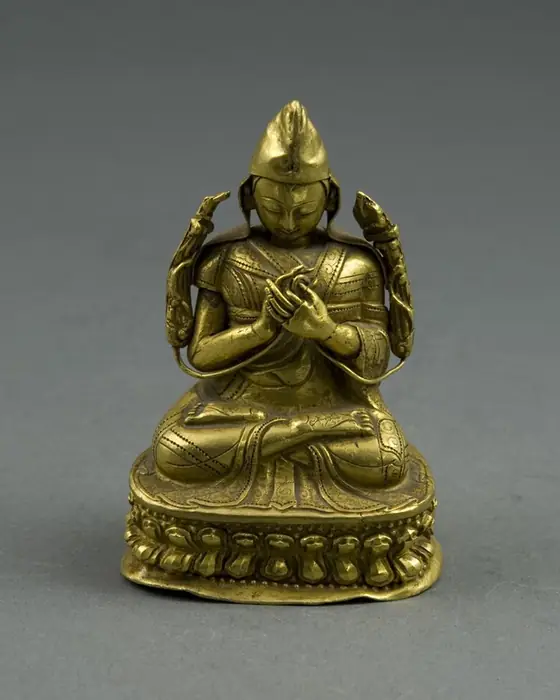
He seems to have had little influence in India until the 11th century, when his works were translated into Tibetan. From then on his interpretation became dominant in Tibet, above all through Tsongkhapa and the Gelug school.
History and tradition
What history can establish
His major works are securely his. His life is unknown beyond the late Tibetan traditions. The label 'Prāsaṅgika' for his approach was coined by Tibetan scholars, not by Candrakīrti himself.
What Buddhist tradition remembers
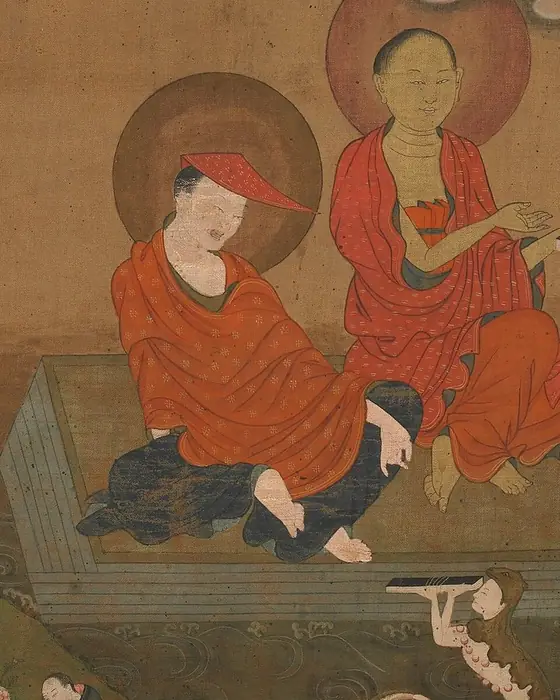
Tibetan tradition tells that he could draw milk from a painted cow, to show that things have no more reality than their appearance.