Their story
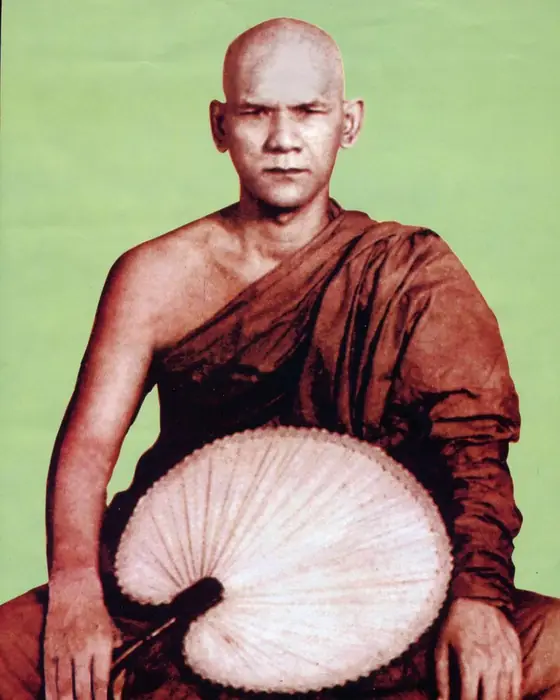
Ledi Sayadaw was born in 1846 in Upper Burma, became a novice as a boy and studied Pāli in Mandalay, the royal capital, where he became a respected scholar.
In 1885 the British conquered the kingdom and exiled the last Burmese king, ending royal support for the monastic community. Ledi Sayadaw, who had withdrawn to a forest monastery near Monywa, believed that the teaching could only survive if lay people understood and practised it themselves.
He wrote more than seventy works, many in plain Burmese, and travelled widely teaching Abhidhamma and insight meditation to villagers and townspeople, founding study groups. He died in 1923.
The world they lived in
Colonial rule dismantled the Burmese monarchy, the traditional patron and protector of Buddhism, and brought Western education and Christian missions. Many feared the teaching would decline.
Their contribution
He made meditation and doctrine accessible to lay people, a radical change in a tradition where meditation had largely been left to specialist monks, and trained lay teachers.
Teachings and works
Paramatthadīpanī
A critical commentary on an Abhidhamma manual.
Manuals of Buddhism
Short works on meditation and doctrine in Burmese and Pāli.
Related teachings
Their legacy
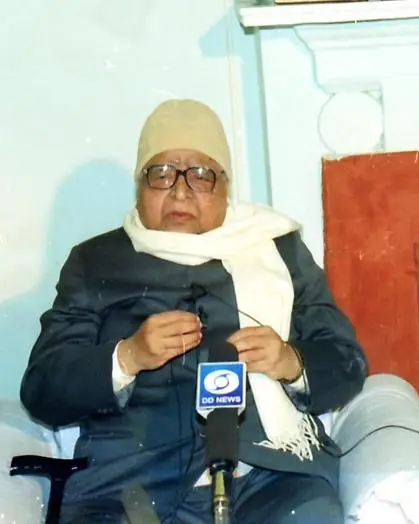
His lay student Saya Thetgyi taught U Ba Khin, whose student S. N. Goenka spread this lineage of vipassanā worldwide. His model of lay practice shaped the whole Burmese meditation movement.
History and tradition
What history can establish
His life and works are well documented.