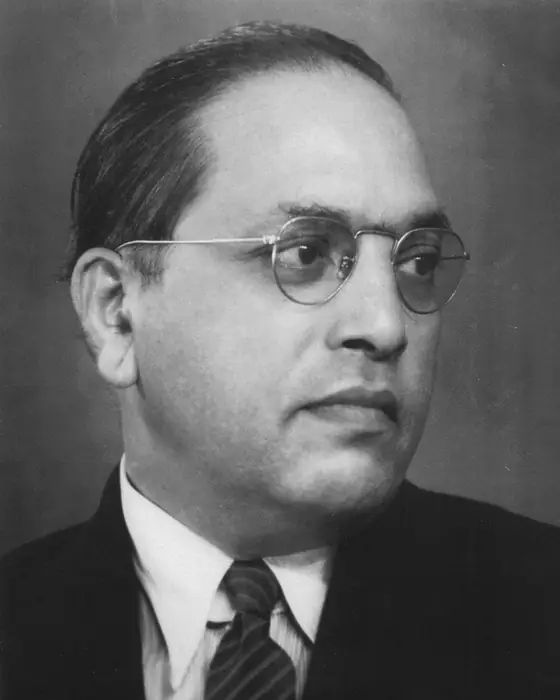
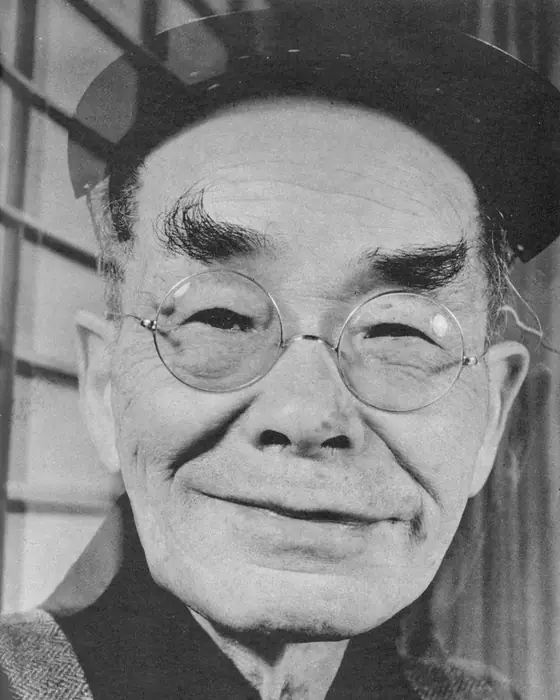
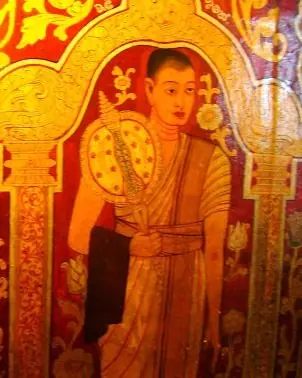
Their story
Don David Hewavitharana was born in 1864 to a wealthy family in Colombo and educated in Christian schools under British rule. Inspired by the Buddhist revival led by monks and by the Theosophists Helena Blavatsky and Henry Steel Olcott, he took the name Anagārika Dharmapāla, 'homeless protector of the Dharma', and lived as a celibate lay renunciant.
In 1891 he visited Bodh Gaya and was dismayed to find the site of the Buddha's awakening under the control of a Hindu abbot. He founded the Maha Bodhi Society to restore it to Buddhists. In 1893 he spoke at the World's Parliament of Religions in Chicago, becoming known internationally.
He travelled and wrote tirelessly, founded schools and newspapers in Sri Lanka, and built the Mūlagandhakuṭi Vihāra at Sarnath, opened in 1931. That year he was ordained as a monk. He died at Sarnath in 1933.
The world they lived in
Under British rule, Buddhists in Ceylon felt marginalised by Christian missions and colonial institutions. In India, Buddhism had almost disappeared, and its sacred sites were neglected or in other hands.
Their contribution
He presented Buddhism as a rational, ethical, universal religion, organised Buddhists internationally, and began the revival of Buddhist sites and communities in India.
Teachings and works
Articles and speeches, many collected in Return to Righteousness (1965)
The Maha Bodhi journal
Founded in 1892.
Related teachings
Their legacy
He is a national hero in Sri Lanka and a founder of modern international Buddhism. His Sinhala Buddhist nationalism, sometimes sharply hostile to other communities, also left a contested legacy. The Bodh Gaya temple came under a joint Buddhist and Hindu committee in 1949.
History and tradition
What history can establish
His life is extensively documented, including his own diaries.