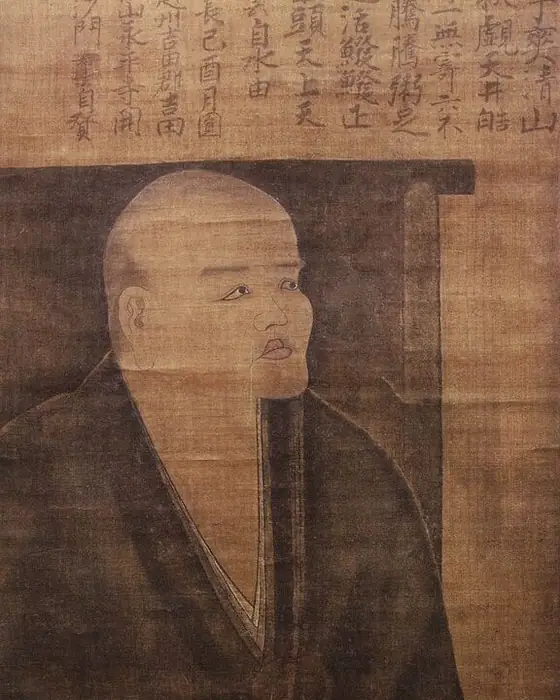
Their story
Keizan was born in Echizen province, in 1264 or 1268 according to different sources, and was deeply influenced by his mother, Ekan, a devout Buddhist who later became a nun and abbess. He trained at Eihei-ji under Dōgen's successors, Gikai and Gien.
He founded Yōkō-ji in Noto in 1312 and, in 1321, turned the temple of Sōji-ji, also in Noto, into a Zen monastery. He trained many disciples and, unusually for his time, encouraged women as teachers.
He died in 1325.
The world they lived in
By the early 14th century Sōtō Zen was a small movement divided by disputes among Dōgen's heirs. Rinzai enjoyed the patronage of the shogunate in Kamakura and Kyoto.
Their contribution
He adapted Sōtō to provincial society, combining Zen practice with esoteric rituals, prayers and funerals for lay patrons, which allowed it to spread among rural warriors and farmers.
Teachings and works
Denkōroku (The Transmission of the Light)
Lectures on the awakening of each ancestor in the lineage.
Zazen yōjinki (Points to Watch in Zazen)
Related teachings
Their legacy
Through his disciples' networks, Sōtō became one of the largest Buddhist schools in Japan, with more than ten thousand temples today. Sōji-ji moved to Yokohama after a fire in 1898.
History and tradition
What history can establish
His life is documented by his own records, especially the Tōkoku ki, though his birth year is uncertain.