Their story
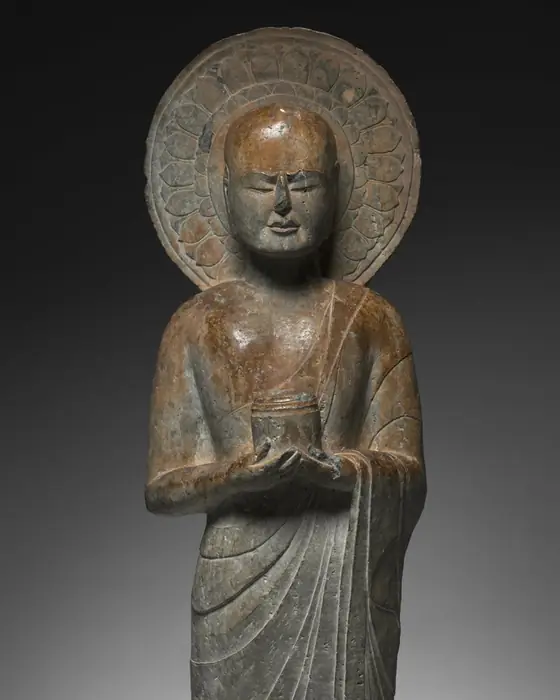
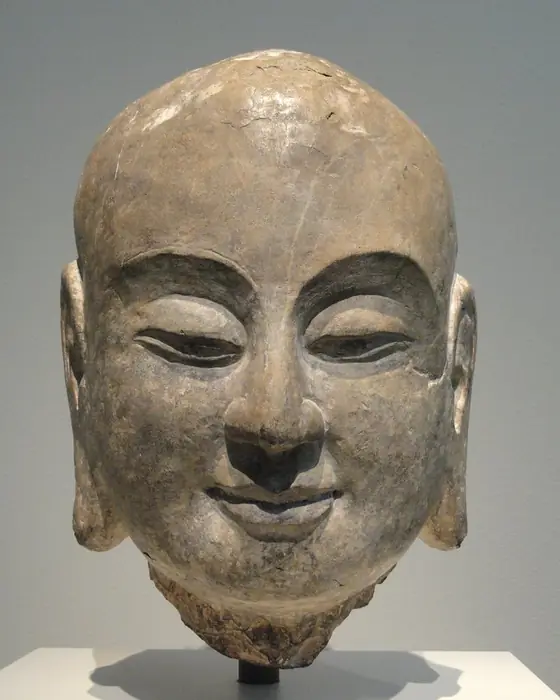
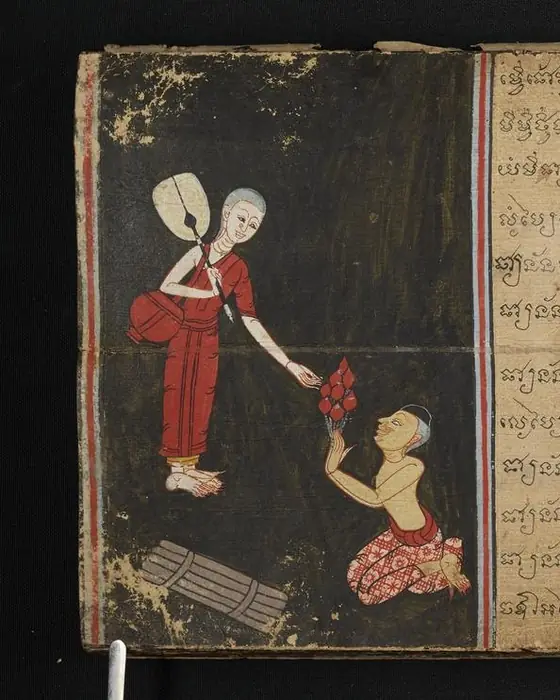
Buddhist tradition remembers Upāli as a barber in the service of the Śākya princes. When his masters, among them Ānanda and Anuruddha, went forth to join the Buddha, he went with them, and they asked that he be ordained first, so that they would have to honour him as their senior and humble their pride of birth.
He became the community's great expert in the discipline. Many passages of the monastic code record questions he put to the Buddha about difficult cases, and the texts name him foremost among the monks in knowledge of the discipline.
At the First Council, according to tradition, Mahākassapa questioned Upāli on every rule: where it was laid down, concerning whom, and why. His answers became the Vinaya Piṭaka.
The world they lived in
Birth mattered deeply in ancient India, and barbers were counted low. The Buddha's community reckoned seniority by the date of ordination rather than by birth, a principle Upāli's story makes vivid.
Their contribution
Through his recitation, according to tradition, the Vinaya was fixed: the rules of monastic life and the procedures for ordination and communal decisions that still govern monks and nuns today.
Teachings and works
The Vinaya Piṭaka (as reciter)
Tradition credits him with reciting the monastic discipline at the First Council.
Related teachings
Their legacy
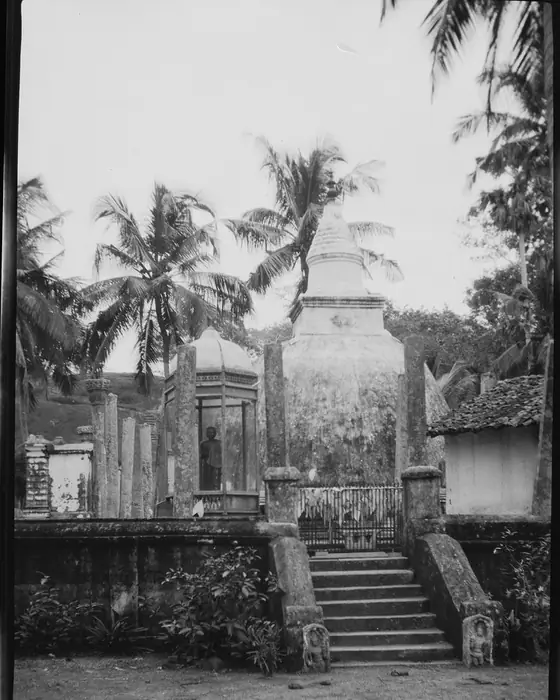
The Sri Lankan chronicles trace the discipline from Upāli through a line of teachers to Moggaliputta Tissa and Mahinda, who brought it to the island. Every Theravāda ordination today stands within that remembered lineage.
History and tradition
What history can establish
Known only from Buddhist texts. The monastic code as it survives grew over centuries, and scholars see many rules as later additions, though the tradition of an early core is widely shared among the early schools.
What Buddhist tradition remembers
The story that the Śākya princes had him ordained before them is told in the monastic code itself and is still loved as a lesson against pride of caste.